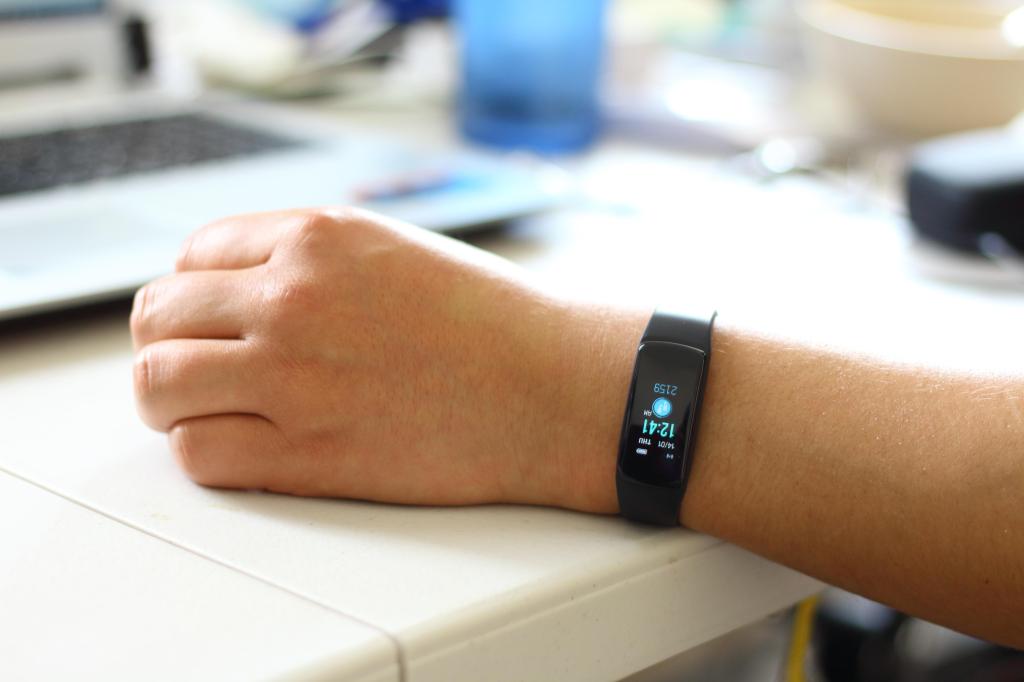
In recent years, healthcare has begun a profound transformation—one that shifts the focus from hospitals and clinics into the rhythms of everyday life. At the center of this shift is artificial intelligence (AI), quietly embedded in wearable devices, mobile apps, and digital platforms that monitor, analyze, and even predict our health – which is probably its most important benefit, according to Wellner Chan, Founder and Managing Editor of Global Wellness Digest. What once required a doctor’s visit can now be tracked continuously from a wristwatch, a patch, or a smartphone. The result is a new model of care: proactive, personalized, and increasingly predictive.
This emerging paradigm—AI-powered health monitoring and diagnostics—is not just a technological trend. It represents a fundamental rethinking of how we understand health, disease, and the role of individuals in managing their well-being.
From Reactive Medicine to Continuous Care
Traditional healthcare has long been reactive. Patients seek medical attention only after symptoms appear, and diagnoses are often made based on snapshots of data collected during brief clinical visits. AI is changing this model by enabling continuous, real-time monitoring of physiological signals.
Wearable devices—ranging from smartwatches to advanced biosensors—can track heart rate, sleep patterns, glucose levels, respiration, and even stress indicators. These devices generate streams of data that AI systems analyze to detect patterns and anomalies.
This shift transforms healthcare from episodic to continuous. Instead of asking, “What is wrong right now?” clinicians can ask, “What trends are emerging—and how can we intervene early?”
AI enhances this process by identifying subtle deviations from a person’s baseline. Rather than relying solely on population averages, AI systems learn what is “normal” for each individual, enabling highly personalized monitoring and early detection of health issues.
The Rise of Intelligent Wearables
Wearable health technology has evolved far beyond simple fitness trackers. Today’s devices incorporate sophisticated sensors capable of measuring biochemical, physical, and behavioral signals. These include electrocardiograms (ECG), blood oxygen levels, blood glucose, and even sweat composition.
The real power, however, lies not in the sensors themselves but in the AI algorithms that interpret the data. Machine learning models can process massive datasets in real time, identifying correlations and predicting potential health risks.
For example, AI-driven systems have demonstrated the ability to detect conditions such as atrial fibrillation, hypertension, and sleep disorders with increasing accuracy.
This capability is especially valuable for chronic disease management. Patients with conditions like diabetes or cardiovascular disease can benefit from continuous monitoring and real-time feedback, allowing them to make immediate adjustments to their behavior or treatment plans.
Early Detection and Predictive Diagnostics
One of the most promising aspects of AI-powered health monitoring is its ability to predict illness before symptoms become severe. By analyzing patterns over time, AI systems can identify early warning signs that would otherwise go unnoticed.
This predictive capability has profound implications. It enables what experts call “pre-diagnosis”—the identification of disease risk before clinical symptoms appear.
For instance, subtle changes in heart rate variability, sleep quality, or activity levels might indicate the onset of illness. AI systems can flag these changes and alert both patients and healthcare providers, prompting early intervention.
Such early detection can reduce hospitalizations, improve treatment outcomes, and lower healthcare costs. It also empowers individuals to take proactive steps in managing their health, rather than reacting to crises after they occur.
Remote Patient Monitoring and Telehealth Integration
AI-powered monitoring is also driving the growth of remote patient care. With the help of connected devices, healthcare providers can monitor patients from afar, receiving real-time data and alerts when intervention is needed.
This approach is particularly beneficial for elderly patients, individuals with chronic conditions, and those living in remote areas. AI systems can analyze incoming data streams, identify potential issues, and notify clinicians before conditions worsen.
The integration of AI with telemedicine creates a more connected and responsive healthcare ecosystem. Doctors can make more informed decisions based on continuous data rather than isolated measurements, leading to more accurate diagnoses and personalized treatment plans.
In many cases, remote monitoring reduces the need for hospital visits, easing the burden on healthcare systems while improving patient convenience and accessibility.
Personalized Medicine at Scale
Perhaps the most transformative aspect of AI in healthcare is its ability to deliver personalized medicine at scale. Traditionally, personalized care has been limited by time, cost, and data constraints. AI changes this equation by analyzing vast amounts of data quickly and efficiently.
By combining data from wearables, electronic health records, and lifestyle inputs, AI systems can generate tailored health recommendations for each individual.
This could include personalized exercise plans, dietary advice, medication adjustments, or early warnings about potential health risks. Over time, these systems learn and adapt, becoming increasingly accurate and effective.
In this sense, AI acts as a continuous health companion—an always-on system that supports individuals in making better health decisions.
Enhancing Clinical Decision-Making
AI-powered diagnostics are not limited to consumer devices. In clinical settings, AI is being used to support doctors in making more accurate and timely decisions.
By analyzing patient data, medical images, and historical records, AI systems can assist in diagnosing diseases, predicting outcomes, and recommending treatment options. These tools do not replace physicians but augment their capabilities, allowing them to focus on complex cases and patient interactions.
In some applications, AI can even provide real-time guidance during medical procedures, enhancing precision and safety.
This collaboration between human expertise and machine intelligence represents a new frontier in medicine—one where technology amplifies the capabilities of healthcare professionals.
Benefits Beyond the Individual
The impact of AI-powered health monitoring extends beyond individual patients. At a population level, aggregated health data can provide valuable insights into public health trends, disease outbreaks, and healthcare system performance.
Healthcare providers and policymakers can use this data to identify patterns, allocate resources more effectively, and design targeted interventions. This data-driven approach has the potential to improve healthcare outcomes on a large scale.
Moreover, AI can help reduce inefficiencies in healthcare systems by streamlining workflows, improving patient flow, and enhancing resource utilization.
Challenges and Ethical Considerations
Despite its promise, AI-powered health monitoring is not without challenges. One of the most significant concerns is data privacy. Continuous monitoring generates vast amounts of personal health data, raising questions about how this data is stored, shared, and protected.
There are also concerns about accuracy and reliability. While AI systems can be highly effective, they are not infallible. Errors in data collection or algorithmic bias can lead to incorrect predictions or diagnoses.
Another challenge is the integration of these technologies into existing healthcare systems. Interoperability between devices, platforms, and electronic health records remains a critical issue.
Finally, there is the human dimension. As healthcare becomes more technologically driven, maintaining the human connection between patients and providers is essential. Technology should enhance—not replace—the empathy and judgment that define good medical care.
The Road Ahead
The future of AI-powered health monitoring and diagnostics is both exciting and complex. Advances in sensor technology, machine learning, and data analytics will continue to expand the capabilities of these systems.
We can expect to see more sophisticated devices capable of monitoring a wider range of health indicators, as well as AI systems that provide deeper insights and more accurate predictions.
Emerging technologies such as augmented reality and digital twins may further enhance healthcare, enabling real-time visualization of patient data and personalized simulations of treatment outcomes.
At the same time, addressing ethical, regulatory, and technical challenges will be critical to ensuring that these technologies are safe, equitable, and accessible.
Conclusion
AI-powered health monitoring and diagnostics represent a fundamental shift in how we approach healthcare. By enabling continuous monitoring, early detection, and personalized care, these technologies are transforming the patient experience and redefining the role of healthcare providers.
The promise is clear: a future where healthcare is not just about treating illness, but about maintaining health—proactively, intelligently, and continuously.
As AI becomes more deeply integrated into our daily lives, the boundary between healthcare and everyday living will continue to blur. The doctor’s office may no longer be a place we visit occasionally, but a system that travels with us—quietly watching, learning, and guiding us toward better health.


Leave a Reply