Imagine a molecule inside every one of your cells that keeps your energy flowing, repairs your DNA, and helps regulate how your body ages — and then imagine it slowly disappearing as you get older. That molecule is NAD⁺, and it may be one of the most important players in the biology of aging. NMN, short for nicotinamide mononucleotide, is a naturally occurring compound that your body uses as a direct building block to make more NAD⁺. It has become one of the most discussed supplements in longevity research — and for good reason.
The NAD⁺ problem
NAD⁺ (nicotinamide adenine dinucleotide) is a coenzyme found in every living cell. It powers hundreds of metabolic reactions, acting like a molecular battery charger — transferring electrons during the energy-production process. But its role goes well beyond energy. NAD⁺ activates a family of proteins called sirtuins, which are often called “longevity genes” because of their ability to repair DNA damage, reduce inflammation, and regulate cellular stress responses.
The catch? NAD⁺ levels decline significantly with age. By the time most people reach their 50s, they may have roughly half the NAD⁺ they had in their 20s. This decline has been linked to many hallmarks of aging: slower metabolism, reduced mitochondrial function, diminished DNA repair capacity, and increased susceptibility to age-related diseases. It’s not the only reason we age, but it’s increasingly recognized as an important piece of the puzzle.
“Restoring NAD⁺ levels is one of the most promising strategies in aging biology — not to make people immortal, but to help them stay healthier for longer.”
Where NMN comes in
You can’t simply swallow a NAD⁺ supplement and expect it to reach your cells — the molecule is too large to cross cell membranes efficiently. Instead, researchers have looked for precursor molecules: smaller compounds that your body can absorb and convert into NAD⁺ internally. NMN is one of those precursors, and it sits just one step away from NAD⁺ in the biosynthesis pathway, making it an efficient and well-absorbed option.
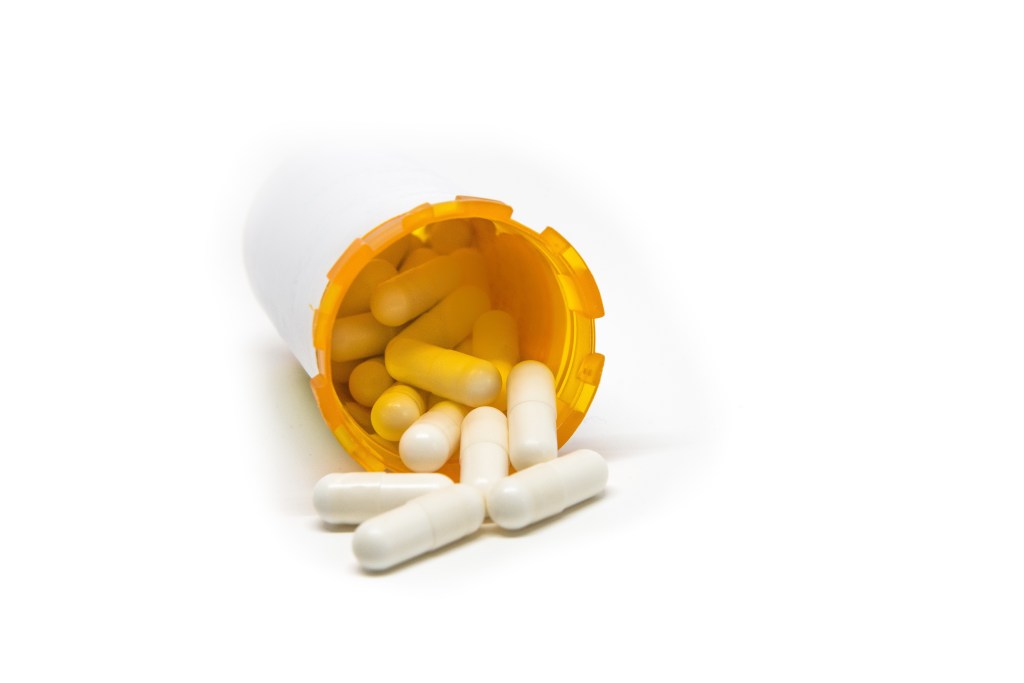
NMN is found naturally in small amounts in foods like edamame, broccoli, avocados, and cucumbers. However, the quantities you’d need to meaningfully raise NAD⁺ levels through diet alone are impractical — which is where supplementation comes in. NMN supplements are typically taken in doses ranging from 250 mg to 1,000 mg per day, with some clinical studies using even higher amounts.
Foods that naturally contain NMN
- Edamame and other immature soybeans
- Broccoli and other cruciferous vegetables
- Avocado
- Tomato
- Raw beef and shrimp (in smaller quantities)
What the research says
Animal studies — particularly in mice — have been striking. Mice given NMN supplements showed improvements in energy metabolism, muscle function, eye health, bone density, immune function, and even cognitive performance. In some studies, NMN appeared to reverse certain aspects of vascular aging and reduce weight gain associated with aging. These findings generated enormous excitement and led directly to human clinical trials.
The human data, while more limited, is beginning to look encouraging. A 2021 study published in Science found that NMN supplementation in healthy older adults effectively raised blood NAD⁺ levels and improved measures of physical performance, including muscle strength and walking speed. Other trials have reported improvements in sleep quality, fatigue levels, and metabolic markers. Importantly, NMN has shown a strong safety profile across studies — short-term use at typical doses appears well tolerated, with no serious adverse effects reported.
That said, the honest scientific picture is still incomplete. Most human trials have been short in duration — weeks to a few months — and involve relatively small groups of participants. We don’t yet have long-term data on what sustained NMN supplementation does to overall human health or lifespan. The jump from “raises NAD⁺ levels” to “significantly slows human aging” is a big one that has not yet been fully proven in clinical settings.
NMN and the broader longevity conversation
NMN doesn’t exist in isolation. It’s part of a broader wave of interest in longevity science that also includes related compounds like NR (nicotinamide riboside), resveratrol, rapamycin, and senolytics — drugs that clear out damaged “zombie” cells. Prominent researchers like David Sinclair at Harvard have popularized the idea that aging is not an inevitable fate but a treatable biological process. NMN has become something of a flagship molecule in this emerging field.
What makes NMN particularly interesting is that it targets a fundamental mechanism rather than a single disease. Rather than treating heart disease or diabetes specifically, raising NAD⁺ may improve the body’s overall resilience — the kind of broad-spectrum biological robustness that delays the onset of many age-related conditions simultaneously. This systems-level approach to aging is attracting serious scientific attention and substantial investment.
Should you take it?
If you’re considering NMN, the current evidence suggests it is likely safe for most healthy adults and may offer genuine metabolic benefits — particularly for those in middle age and beyond when NAD⁺ levels have already dropped significantly. It is not a magic bullet, and it certainly isn’t a replacement for the basics: regular exercise, quality sleep, a nutritious diet, and stress management all have robust evidence behind them and also — not coincidentally — help maintain healthy NAD⁺ levels on their own.
NMN is best thought of as a promising complement to those fundamentals, not a shortcut around them. For anyone with underlying health conditions or taking medications, speaking with a physician before starting any new supplement is always the right first step. The science is young but moving fast — and NMN is very much a molecule worth watching.
This article is for general informational purposes only and does not constitute medical advice. Always consult a qualified healthcare professional before beginning any supplement regimen.
 Global Wellness Digest
Leave a comment