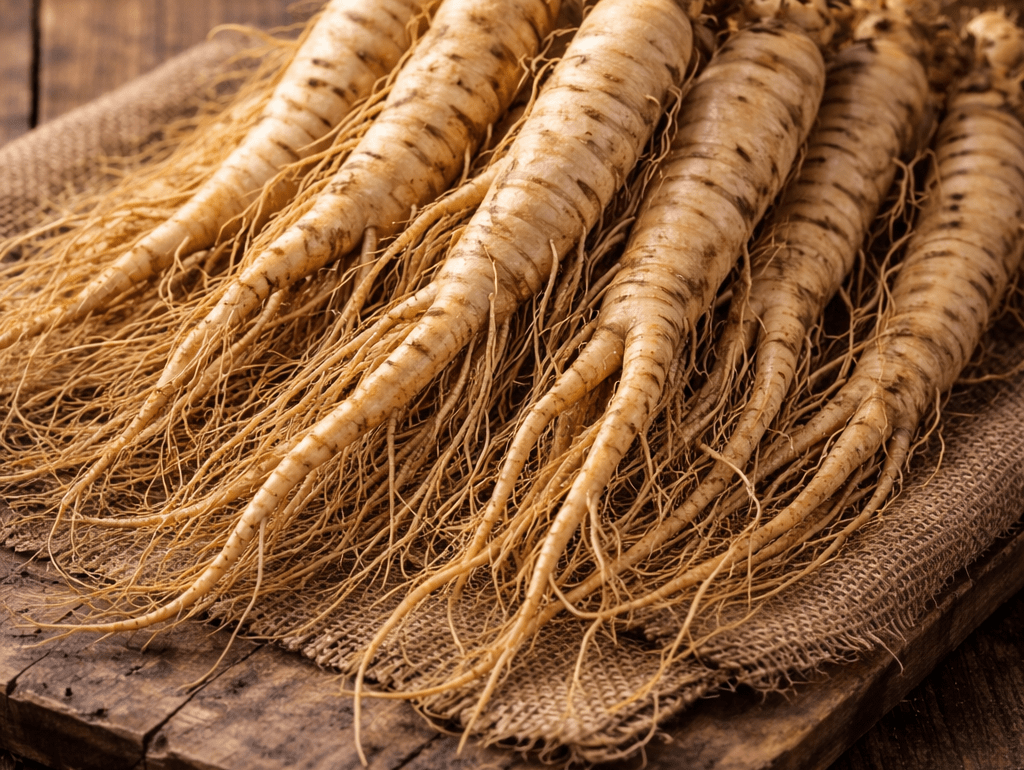
Ginseng is no ordinary root. For millennia, this knobby, slow-growing plant has been revered in East Asia as a source of vitality and longevity. In Chinese herbal lore, ginseng was said to “make aging people young and let dying people live”. Such mythical accolades earned ginseng a Latin genus name, Panax, meaning “all-healing” or panacea. Today, ginseng sits at the intersection of traditional medicine and modern science. Health enthusiasts worldwide take ginseng supplements to boost energy, sharpen the mind, fend off illness, or even slow aging. Researchers, in turn, are examining these age-old claims under the lens of rigorous clinical studies. Is ginseng truly a cure-all, or just another folk remedy? The answer is complex. What’s clear is that this humble root has a rich history and a growing body of scientific research exploring its effects on our health.
In this article, we’ll explore the different types of ginseng and their origins, review traditional uses that made ginseng so famous, and dive into modern scientific findings on its potential benefits – from anti-aging and immune support to cognitive performance and energy enhancement. We’ll also discuss safety, side effects, and how to use ginseng wisely. While ginseng is no magic bullet, its story is a fascinating example of ancient knowledge engaging with contemporary science, with insights valuable to anyone interested in herbal medicine and wellness.
Types of Ginseng: One Name, Many Roots
Not all “ginseng” is the same. The term ginseng usually refers to plants of the genus Panax, but several species fall under this banner, each with unique characteristics. The most widely used is Asian ginseng (Panax ginseng), which is native to Korea, northeast China, and parts of Siberia. Depending on its origin, Panax ginseng is often called Chinese ginseng or Korean ginseng – but botanically, it’s the same species. ( there is also panax notoginseng, more on that later) Asian ginseng is further classified by how it’s processed: white ginseng is simply dried Panax ginseng root, whereas red ginseng (6 years old Korean ginseng) is the same root that’s been steamed before drying. This processing turns the root a reddish-brown and, according to traditional preparations, enhances its medicinal properties. In fact, steaming triggers chemical changes that increase certain ginsenosides (the active compounds) unique to red ginseng. Red ginseng is often associated with stronger effects (and a higher price tag).
On the other side of the world grows American ginseng (Panax quinquefolius), originally found in the forests of the United States and Canada. American ginseng has been prized in North America by Indigenous peoples and later became a valuable export to China in the 18th and 19th centuries. Today, places like Wisconsin are famed for cultivated American ginseng, supplying global demand. American ginseng is a close cousin of Asian ginseng but not identical – for one, it contains a different profile of ginsenosides. Modern analyses show Asian ginseng has nearly twice as many types of ginsenosides as American ginseng (for example, one analysis found 38 distinct ginsenoside compounds in Panax ginseng versus 19 in Panax quinquefolius). These chemical differences may translate into different effects.
Traditional herbalists certainly believe they do. In the philosophy of Traditional Chinese Medicine (TCM), Asian ginseng and American ginseng are viewed as having opposite “energy”: Asian ginseng is considered yang – warm or stimulating – whereas American ginseng is yin – cool or calming. In practical terms, Asian ginseng has a reputation for being more invigorating, while American ginseng is thought to be gentler, nourishing one’s strength more quietly. A 2020 Smithsonian report on ginseng notes that Chinese practitioners have used both Asian and American ginseng for centuries, praising its ability to strengthen the body, ward off fatigue, and even “add decades to one’s life”. However, TCM doctors use ginseng with care: it’s considered a powerful tonic herb, sometimes called “the king of tonic herbs,” prescribed in specific situations rather than a daily elixir for everyone. In fact, some traditional practitioners warn against giving strong ginseng to healthy young people, lest it cause imbalance in those who don’t need it.
Beyond these two famous species, you might hear of other “ginsengs.” Chinese Tienchi ginseng (Panax notoginseng) is another member of the Panax family, used mostly for cardiovascular and bleeding disorders in TCM (though it’s less well-known internationally). Siberian ginseng, by contrast, is not true ginseng at all – it’s a different plant (Eleutherococcus senticosus) with a somewhat misleading nickname. While Siberian “ginseng” is also used as an herbal tonic, it contains different active chemicals and is not part of the Panax genus. For our purposes, Panax ginsengs – Asian and American – are the stars of the show.
Traditional Uses and Legends
Ginseng’s legendary status in herbal medicine arises from its long history of use. Records of ginseng appear as early as 2,000 years ago in ancient Chinese texts. It was classified as one of the most valued medicinal plants in the classic Shénnóng Běncǎo Jīng (Divine Farmer’s Classic of Materia Medica), where it was described as strengthening the “qi” (vital energy) and extending lifespan. In traditional Chinese culture, ginseng was so sought-after that wild roots were literally worth their weight in gold; imperial courts and healers treasured old, wild ginseng roots as life-enhancing treasures. Countless folktales portray ginseng as a quasi-magical being – in some stories, the spirit of ginseng transforms into benevolent figures to help the sick, underscoring how revered this root became in the popular imagination.
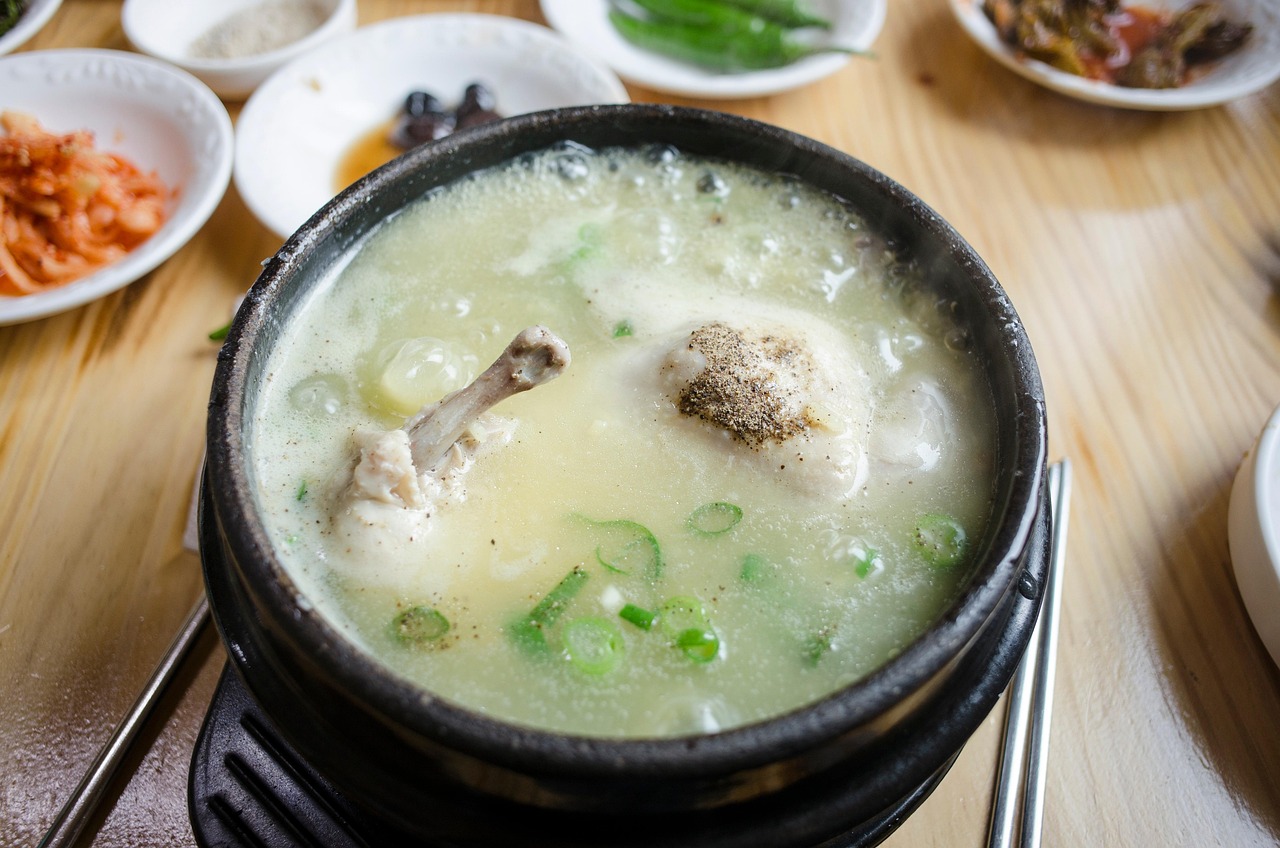
In practice, TCM used ginseng to combat weakness and fatigue, to revive patients from collapse, and to “restore balance” in the body. It has a broad traditional profile: it “invigorates vitality, strengthens the spleen and lungs, nourishes blood, and calms the spirit,” according to classical descriptions. Ginseng tonics were given to the elderly as an anti-aging elixir, to warriors or laborers to overcome exhaustion, and even as an aphrodisiac. In Korea, a famous traditional preparation is ginseng chicken soup (samgyetang), thought to revitalize the body. American ginseng, used by some Native American tribes, was taken for coughs, fevers, and as a general strength tonic. By the 18th century, American ginseng had become a major export to China, bridging these two herbal traditions.
This rich heritage gave ginseng a halo of health, but it’s important to note that traditional claims are not always borne out by modern evidence. Nonetheless, the lore guided researchers to investigate ginseng’s potential in many areas of health. In the sections that follow, we focus on what contemporary science has found regarding ginseng’s key reputed benefits: anti-aging effects, immune support, cognitive enhancement, and energy boosting.
Ginseng and Anti-Aging: Myth or Medicine?
Aging is a complex process, but oxidative stress and inflammation are thought to play major roles in the wear-and-tear of our cells over time. Ginseng, rich in antioxidant compounds, has attracted scientific interest as a potential anti-aging remedy. Laboratory studies show that ginseng’s active molecules – including ginsenosides (a type of saponin) and ginseng polysaccharides – can combat oxidative stress at the cellular level. In simpler terms, these compounds help neutralize harmful free radicals and may protect cells from damage. Ginseng has also demonstrated anti-inflammatory effects and even anti-aging activity in animal and cell studies. For example, experiments on mice have found ginseng can improve markers of brain aging and cognitive decline in certain models of Alzheimer’s disease. These lab results bolster the traditional notion of ginseng as a longevity herb, but what about actual people?
Some of the clearest human evidence for ginseng’s anti-aging benefits comes from dermatology. Skin aging – with wrinkles, dryness, and loss of elasticity – has been a target for ginseng-based cosmetics and supplements. Notably, a pair of clinical trials found that ginseng extract can improve facial wrinkles in middle-aged women. In these studies, participants who applied or ingested ginseng had measurably reduced wrinkle depth and improved skin moisture compared to a placebo group. The effect is modest, but real: researchers observed an increase in production of type I collagen in the skin, which helps explain smoother wrinkles. Interestingly, fermented red ginseng – which contains certain unique ginsenosides created by steaming – may be even more effective for skin health than unprocessed ginseng. By boosting collagen and reducing UV-induced skin damage, ginseng shows tangible anti-aging effects on the skin’s appearance.
Beyond skin-deep effects, human studies on ginseng and aging are still limited. Some research has examined quality of life and functional measures in older adults. For instance, ginseng is often included in herbal formulas for improving vitality in seniors. While high-quality clinical trials are few, one review concluded that ginseng does appear to have geroprotective properties – meaning it can help maintain or improve aspects of health during aging. Ginseng has been reported to improve fatigue, mental clarity, and even social functioning in some studies of older adults. However, these effects can be inconsistent. The National Center for Complementary and Integrative Health (NCCIH) notes that for conditions like general aging, asthma, or anxiety, there isn’t enough solid evidence to say for sure whether ginseng is beneficial. In other words, the jury is still out on ginseng as an all-purpose anti-aging supplement.
Still, the idea of “healthy aging” with ginseng isn’t purely wishful thinking. Modern science has validated that ginseng contains a bounty of bioactive compounds with antioxidant and anti-inflammatory effects – qualities that theoretically could slow aspects of aging. It’s entirely plausible that taking ginseng might help an older person feel a bit more energetic or support their immune system (which tends to weaken with age). And as we’ve seen, it might make one’s skin look a little more youthful. Just don’t expect ginseng to roll back the clock dramatically. For now, we can say that ginseng aligns with many principles of healthy aging, even if it’s not an elixir of immortality. Ongoing research – including studies on ginseng’s effects on brain aging and metabolic health – will hopefully clarify how this ancient root can contribute to aging gracefully.
Immune Support: Bolstering the Body’s Defenses
One of ginseng’s most prized traditional uses is as an immune booster – a way to increase the body’s resistance to illness. Modern immunology research is giving some credibility to this claim. Ginseng appears to act as an immunomodulator, meaning it can help normalize immune function, enhancing underactive immunity or calming an overactive response as needed. The root contains not only ginsenosides but also polysaccharides and other compounds that impact immune cells. Studies have shown that ginseng extracts can influence various immune cell types: boosting the activity of macrophages, natural killer cells, T cells, and so on. In essence, ginseng nudges the immune system toward a state of better readiness and balance.
What does this mean in practical terms? Some clinical research suggests ginseng can indeed help the body fight off infections. A notable example is a 12-week study of 227 healthy adults, in which those who took ginseng (the specific extract G115, at 100 mg daily) had significantly fewer colds and flu episodes than those taking a placebo. Even more intriguing, when these ginseng-taking participants did get a flu shot, their bodies produced higher antibody levels in response to the vaccine, indicating a stronger immune reaction. Similarly, other trials have found that ginseng supplementation increased the number of immune cells (like lymphocytes and T-helper cells) and improved markers of immune function over a few weeks. In patients with chronic bronchitis, adding ginseng to antibiotics helped clear bacteria faster, suggesting it can aid recovery from respiratory infections. These findings reinforce ginseng’s reputation as the herb that keeps the sniffles at bay.
Researchers have also examined a specific North American ginseng extract, known by the trade name Cold-FX with CVT-E002(R)(R) for preventing colds. Some studies in older adults indicated that taking this extract through winter reduced the risk of getting repeated colds and cut down the duration of symptoms. However, not all results have been glowing. A critical appraisal pointed out that while one trial showed a modest reduction (0.25 fewer colds per person over 4 months) with ginseng extract, the clinical significance of that small difference is debatable. In plain terms, ginseng might help you catch one less cold in a season – nice, but not a dramatic shield. Consequently, some health authorities stop short of officially recommending ginseng for cold prevention, pending more conclusive evidence. It’s a reminder that immune support is hard to measure and can depend on many factors.
Beyond fighting common viruses, scientists are exploring ginseng’s impact on more serious immune-related conditions. Preliminary research suggests ginseng extracts might benefit patients with certain cancers or immune deficiencies by enhancing immune surveillance (the body’s ability to recognize and attack tumor cells or pathogens). For example, components of ginseng have shown promise as adjuvants – agents that could be added to vaccines or cancer treatments to improve immune response. All of this must be viewed cautiously: much of the evidence is preclinical or from small trials. But the overall picture supports a centuries-old notion: ginseng helps the body maintain homeostasis of the immune system, which in turn can increase resilience against disease.
From a user’s perspective, taking ginseng isn’t a guarantee you won’t get sick during flu season. Think of it more as an extra line of defense. A cup of ginseng tea or a daily ginseng capsule might subtly reinforce your immune fortifications. Indeed, the NCCIH review of studies in 2023 noted that Asian ginseng “may help reduce the risk of developing the flu” (though it didn’t seem to lessen symptom severity if you do get sick). And consistent with other findings, the same review concluded ginseng on its own might have a small beneficial effect on general fatigue – which often ties into immune health – while combinations of ginseng with other herbs could help in chronic fatigue conditions. So, while ginseng is no substitute for vaccines, a healthy diet, and good hygiene, it does have an immune-supportive role. Modern science, it turns out, echoes what herbalists believed long ago: ginseng helps keep your defenses vigilant.
Cognitive Function and Brain Health
Can ginseng make you smarter, more alert, or protect your brain as you age? These questions have intrigued scientists and consumers alike, leading to numerous studies on cognitive function and ginseng. In Asia, students and professionals have traditionally consumed ginseng tonics to combat mental fatigue during exams or demanding work. The idea of ginseng as a brain booster isn’t just folklore – some controlled trials have reported improvements in certain mental performance measures. But the findings are mixed and sometimes subtle.
Several small randomized trials in healthy volunteers have found that ginseng supplementation can enhance aspects of cognitive performance, at least in the short term. For example, young adults given a single dose of 200–400 mg of ginseng extract showed improvements in reaction time and accuracy on memory tasks within a few hours. Other studies lasting a few weeks have noted better attention and mental processing speed in those taking ginseng compared to placebo. One trial in middle-aged volunteers (aged 40 and up) found that eight weeks of ginseng led to quicker simple reactions and improved abstract thinking, though it didn’t significantly change memory scores. Interestingly, some cognitive benefits appeared after a few weeks but then waned by week eight in certain studies, suggesting the effect might be transient or subject to tolerance.
To make sense of these varied results, researchers have conducted systematic reviews pooling data from multiple trials. A recent meta-analysis published in late 2024 looked at 15 randomized studies of ginseng for cognitive function. The review concluded that overall, ginseng had “some positive effects on cognitive improvement, especially on memory improvement.” In statistical terms, ginseng users showed significantly better memory performance than those on placebo – the effect was modest but real, and it was more pronounced when higher doses of ginseng were used. However, the same analysis found that ginseng did not have a clear benefit on other cognitive domains like attention or executive function. In other words, ginseng wasn’t a universal brain booster across all mental tasks; its main measurable impact was improving memory (and even that was a relatively small improvement). The authors noted that many of the trials were small or had methodological issues, and they emphasized the need for more rigorous research to confirm ginseng’s cognitive effects.
Real-world implications of these findings are cautious but encouraging. If you’re a middle-aged adult looking for a mental edge, ginseng might give a slight boost to memory or help you feel more mentally sharp, particularly at higher supplement doses. Some evidence even suggests synergy between ginseng and another famous herb, ginkgo biloba: combined ginseng-ginkgo supplements have shown memory benefits in a few studies, whereas ginseng alone did not, implying that combination could be key for certain cognitive effects. For young adults, by contrast, ginseng seems to do less – likely because younger brains are already at peak performance, so any herb’s effect is marginal.
Beyond healthy people, ginseng has also been tested in those with cognitive impairments. Small trials in patients with Alzheimer’s disease have hinted that high doses of ginseng might improve cognitive scores over a few months. For instance, one study in South Korea found that adding heat-processed ginseng to standard therapy improved cognitive function in patients with moderate Alzheimer’s, compared to patients who didn’t get ginseng. While intriguing, these are early findings and Alzheimer’s experts stress that ginseng is not an established treatment for dementia. Still, such studies open the door to the possibility that ginseng’s neuroprotective effects seen in labs (like reducing beta-amyloid plaques in animal models) could have some clinical relevance.
Overall, we can say ginseng may help the brain – but modestly. It’s not a replacement for caffeine or conventional stimulants when it comes to immediate alertness, yet it does appear to act as a gentle adaptogen for the mind, helping users resist mental fatigue and stress over time. Indeed, the concept of adaptogens is that they normalize body functions under stress, and ginseng’s subtle cognitive benefits fit that description. Perhaps you won’t feel like a genius after taking ginseng, but you might feel a bit more balanced – less mentally drained and more “in the zone” when you need to be. And for tasks involving memory, learning, or complex processing, ginseng could nudge performance in the right direction, especially in middle age when memory might start to slip. As always, individual results vary, and ginseng is just one piece of the puzzle for cognitive health (along with sleep, diet, exercise, and so on). The bottom line: ginseng shows promise as a brain ally, but not a miracle pill for intellect.
Energy and Fatigue: Nature’s Tonic
If ginseng is famous for one thing, it’s for fighting fatigue. In fact, combating weakness and boosting energy is the oldest and most universal use of ginseng across all cultures that employed it. The very image of a weary person rejuvenated after a dose of ginseng tea is a staple of Eastern folklore. Modern science has taken this claim seriously, particularly as chronic fatigue has become a common complaint – whether due to illness, stress, or the demands of modern life.
Researchers have conducted a number of studies on ginseng for various types of fatigue. One important distinction is between healthy individuals with everyday fatigue and patients suffering fatigue as a symptom of a medical condition (such as cancer-related fatigue or chronic fatigue syndrome). Ginseng has been tested in both scenarios. For general fatigue or low energy, several trials suggest ginseng can make a noticeable difference. For instance, a 2013 Mayo Clinic-led study on cancer survivors – people experiencing persistent fatigue after chemotherapy – found that high doses of American ginseng (2,000 mg daily) taken for 8 weeks led to significant improvements in energy levels compared to placebo. The ginseng group reported feeling less exhausted and more vigorous, and importantly, they did so without significant side effects. This was a well-designed trial, and its positive outcome gave legitimacy to ginseng as a fatigue-fighter in a clinical context.
To get a broader view, scientists have aggregated data from many such trials. A 2022 systematic review examined 12 randomized controlled trials of ginseng for disease-related fatigue, encompassing nearly 1,300 patients with conditions ranging from cancer to chronic illness. The meta-analysis found that ginseng had a statistically significant effect in reducing fatigue scores compared to placebo. The improvement was moderate – one analysis quantified it as about a third of a standard deviation better fatigue score than placebo, which, while not a cure, is certainly meaningful when you’re drained of energy. Notably, benefits were observed in both physically ill patients and in otherwise healthy people dealing with fatigue. Another 2023 review focused on ginseng’s effect on chronic fatigue syndrome and idiopathic fatigue concluded that Panax ginseng can indeed reduce feelings of tiredness and weakness, especially when used in combination with other complementary therapies. It’s worth mentioning that Asian ginseng and American ginseng both seem effective for fatigue, though some herbalists prefer Asian ginseng for acute energy boosts and American for more sustained, gentle anti-fatigue support – reflecting the yin/yang distinction.
However, when it comes to athletic performance – the kind of physical fatigue from exercise – ginseng has surprisingly fallen short. Multiple placebo-controlled trials in athletes and active individuals have found no significant improvement in endurance, oxygen uptake, or exercise capacity with ginseng supplementation. The majority of research indicates ginseng doesn’t make you run faster or lift more weight than training and good nutrition alone would. This might seem contradictory: if ginseng fights fatigue, why doesn’t it help in sports? The likely reason is that the fatigue of a patient or stressed office worker is a different physiological beast than the peak performance limits of an athlete. Ginseng’s effect might be too mild to push those already near their performance ceiling. Instead, it shines more in counteracting the kind of chronic, systemic fatigue that saps daily life energy.
In practical use, many people report that a morning dose of ginseng gives them a subtle energy lift – not a jolt like caffeine, but a gentle pick-me-up without the jitters. This aligns with ginseng’s role as an adaptogen: it helps the body handle stress and ward off exhaustion. Some call it an “herbal booster” for overall vitality. Importantly, clinical studies have generally found that ginseng does not disturb sleep or cause overstimulation at recommended doses, as long as it’s not taken too late in the day. The main side effect related to energy is the flip side of the coin: insomnia can occur in some people if ginseng is taken in the evening or at high doses. This is likely why traditional practitioners advised taking ginseng in the morning and not overdoing it.
Summing up the evidence, ginseng earns its reputation as a natural energizer. It can help reduce fatigue from illness, help chronic fatigue sufferers feel more functional, and give the average person facing daily stress a bit more pep. Don’t expect a wild surge of energy – the effect is closer to restoring normal energy levels than it is to supercharging you beyond your baseline. But in today’s fatigued world, restoring normal energy can feel like a godsend. As one researcher put it, ginseng appears to “improve overall quality of life, including energy and vitality, particularly during times of fatigue”. Just remember that if you’re consistently exhausted, it’s important to address the root causes (sleep habits, medical conditions, etc.) even as you consider adaptogens like ginseng for support.
Dosage and How to Use Ginseng
Ginseng is available in many forms – raw dried roots, powders, liquid extracts, capsules, teas, and even gummies or energy drinks. With such variety, how does one take ginseng effectively and safely? It turns out most clinical studies have used standardized ginseng extracts at moderate doses, which provides a guide for consumers.
A common recommended dosage for Panax ginseng extract is around 200–400 milligrams per day. In fact, 200 mg daily of a standardized extract (typically standardized to 4%–7% ginsenosides content) is often considered a maintenance dose, and many studies showing benefits used doses in this range. Some specific products like Ginsana® (G115 extract) have been tested at 100–200 mg per day in research settings. For American ginseng, similar dosages apply, though certain studies (like the cancer fatigue trial) went higher, up to 2,000 mg of extract per day for a limited period. Generally, 400 mg of extract daily is at the higher end of typical dosing for extracts and has been associated with noticeable cognitive or mood effects in some trials.
When using whole ginseng root (dried root slices, root powder, etc.), dosages are often given in grams. A typical traditional dose is about 1–2 grams of dried root per day, brewed in hot water as a tea or simply chewed and swallowed. Some sources suggest up to 3 grams for short-term use. The U.S. Pharmacopeia’s advisory is that taking Panax ginseng in amounts of 0.5 to 2 grams of the dried root daily is within a safe range for most adults. Keep in mind that the concentration of active ginsenosides can vary widely in whole roots depending on their quality and age. Therefore, using a standardized extract (where the ginsenoside content is controlled and listed) can provide more consistency.
It’s also important to consider duration. Ginseng is not usually meant to be taken indefinitely without breaks. Many experts recommend using ginseng for a few weeks or a few months at a time, followed by a pause. In clinical research, trials typically last 4 to 12 weeks. Traditional herbal practice often suggests using ginseng for up to 3 months, then taking at least a couple of weeks off. Why? Partly to prevent any potential unwanted effects from continuous use, and anecdotally because some feel the body becomes accustomed to it. In fact, the NCCIH notes that while short-term use (up to 6 months) appears safe, questions remain about long-term continuous use. Some Asian clinical guides advise limiting continuous ginseng use to 6 months. It’s wise, therefore, to think of ginseng as a phase-of-use supplement – employ it during the winter months to bolster immunity, or during a particularly stressful period for energy and focus, rather than non-stop year-round dosing.
In terms of consumption method, any form can work as long as the dose is adequate. Ginseng tea made by steeping slices of root is a traditional favorite – often a few slices (totaling ~2 grams) in hot water for 10-15 minutes. The tea is bitter with a slight sweet aftertaste (ginseng’s Chinese name rénshēn literally means “person-root,” but it’s poetically also associated with the idea of a sweet aftertaste that “revives” you). Many people add a bit of honey to improve the flavor. Capsules or tablets offer convenience and avoid the bitter taste; just be sure to choose products from reputable brands to ensure you’re getting genuine Panax ginseng, as mislabeling can occur in the supplement industry.
Another aspect to consider is timing: because ginseng can be gently stimulating, it’s often recommended to take it in the first half of the day. Morning with breakfast is a common regimen. Taking ginseng late in the evening might interfere with sleep in sensitive individuals (much like having a cup of green tea or coffee too late).
Finally, remember that individual response can vary. Some people feel an obvious difference on ginseng, while others notice little. If you’re new to it, start at the lower dose and see how you feel after a week or two, and consult the packaging or an herbalist for guidance. Ginseng’s effects tend to build gradually; it’s not usually an immediate “rush” of energy, so patience is key when evaluating its benefit for you.
Side Effects and Safety Considerations
Like any biologically active substance, ginseng is not free from side effects or risks. The good news is that Panax ginseng is generally considered safe for most healthy adults when used short-term at recommended doses. In the United States, ginseng even has “Generally Recognized as Safe” (GRAS) status for use in foods. Clinical trials and centuries of use have shown that serious adverse reactions are rare. However, “generally safe” is not the same as “completely harmless,” and there are important caveats and contraindications to note.
The most commonly reported side effect of ginseng is insomnia or trouble sleeping. This is not too surprising given ginseng’s invigorating qualities. If someone finds themselves more wakeful or jittery, it’s often resolved by lowering the dose or taking ginseng earlier in the day. Other relatively common side effects include headache, and sometimes digestive upset such as nausea or diarrhea. Some users have reported feeling nervous or euphoric – ginseng can occasionally cause a mild, caffeine-like stimulation that in rare cases might manifest as jitteriness or mood changes. There are also a few unusual side effects noted in literature: for example, breast tenderness or vaginal bleeding in women have been reported infrequently. These effects are thought to be due to a possible estrogen-like activity of certain ginsenosides, though the evidence is not conclusive. In any case, women who experience menstrual irregularities when taking ginseng should discontinue use and consult a healthcare provider.
A cluster of symptoms called “ginseng abuse syndrome” was described by physicians in the past, involving high doses of ginseng leading to hypertension (high blood pressure), nervousness, insomnia, rash, and morning diarrhea. However, this syndrome was linked to people taking excessively large amounts for long periods. At normal doses, ginseng is unlikely to cause such issues in the average person. Blood pressure changes can go either way with ginseng – there are reports of it causing mild increases in blood pressure in some and decreases in others. So individuals with uncontrolled hypertension should be cautious and monitor their blood pressure if they start ginseng.
One important area of caution is drug interactions. Ginseng can interact with certain medications in ways that amplify or diminish their effects. For example, ginseng may interfere with blood thinning. Studies indicate that Asian ginseng can inhibit platelet aggregation (the clumping of blood cells) and even lengthen clotting times. Combined with its potential to induce liver enzymes that metabolize drugs, this means ginseng might reduce the effectiveness of the anticoagulant warfarin, potentially increasing clotting risk for those on that medication. Patients on warfarin or other blood thinners are generally advised not to take ginseng. Ginseng’s enzyme-inducing effect could also lower levels of certain drugs like some HIV medications, statins, or antidepressants, so consultation with a doctor or pharmacist is key if you’re on prescription meds.
Another interaction involves antidepressants: there have been case reports of ginseng contributing to symptoms of mania in people also taking antidepressant drugs (specifically monoamine oxidase inhibitors like phenelzine). This suggests a possible synergistic overstimulation of the nervous system. As such, combining ginseng with MAOI antidepressants is generally discouraged. Ginseng might also add to the effects of stimulants (like too much caffeine) resulting in palpitations or anxiety, so moderation is wise if you’re consuming multiple stimulants.
Due to its potential to lower blood sugar, diabetic patients should use ginseng carefully as well. Some evidence shows ginseng can modestly reduce fasting blood glucose. While that could be a benefit, if you’re on insulin or other diabetes medications, ginseng could in theory push blood sugar too low. Monitoring glucose levels and discussing with a healthcare provider before adding ginseng is prudent in those cases.
Who should avoid ginseng? Certain groups are usually advised against using it. These include pregnant women – one component of ginseng (ginsenoside Rb1) showed possible teratogenic effects in animal studies, raising concern that high doses in early pregnancy might pose a risk. Until more is known, it’s safest for pregnant and breastfeeding women to steer clear of ginseng. Children and infants should also not be given ginseng unless under professional guidance; the herb simply hasn’t been well studied in young populations, and traditional texts even warned that ginseng’s powerful nature was unsuitable for the very young.
People with autoimmune diseases (like rheumatoid arthritis, lupus, or multiple sclerosis) might also need caution. Since ginseng can stimulate immune activity, there’s a theoretical risk it could exacerbate autoimmune conditions by further revving up an already overactive immune system. This hasn’t been definitively proven in clinical trials, but it’s a possibility that physicians consider.
Finally, always remember that herbal supplements like ginseng are not as tightly regulated as pharmaceuticals in many countries. Quality can vary – contamination or adulteration issues have occurred with some ginseng products. It’s wise to purchase from reputable manufacturers and perhaps look for third-party testing or certification on the label. And as the NCCIH wisely advises, keep your healthcare providers in the loop about any supplements you take. They can help ensure that your ginseng use fits into your overall health picture safely.
In summary, ginseng is well-tolerated by most people in moderation, but it’s not for absolutely everyone and not without any risk. If you have underlying health conditions or take medications, a quick medical consultation is a good idea before starting ginseng. Respect the herb’s potency – after all, it has centuries of reputation as a powerful tonic – and use it responsibly.
Conclusion
Ginseng’s journey from ancient mountaintops in Asia to modern health food stores around the globe is a testament to its enduring appeal. This knotted, human-shaped root has captured human imagination as a symbol of vitality – and as we’ve seen, science is gradually validating some of its legendary benefits. American and Asian ginseng, though differing slightly in character, both offer a range of potential health perks: subtle improvements in memory and mental performance, a bolstering of the immune system, a reduction in fatigue, and even anti-aging effects on the skin and cells. It’s no wonder ginseng remains one of the most popular herbal supplements in the world.
However, in the sober light of evidence-based medicine, ginseng is not a miracle panacea. It has limitations. Clinical trials show promising trends – a few less colds here, a bit more energy there, a modest memory uptick – but often with the caveat that more research is needed to be sure. Many studies have been small or short in duration. The positive effects, while real, tend to be moderate. A healthy skeptic might note that a good night’s sleep and balanced diet are likely more impactful for most people than any supplement. And yet, ginseng’s value may lie in the margins: those incremental boosts and protective effects that, over time, contribute to better well-being.
In the style of a New York Times wellness report, one might say: Ginseng will not let you cheat age or dodge every illness, but it just might tilt the odds in your favor. It embodies a blend of old wisdom and new science. For those intrigued by natural remedies, ginseng offers a relatively well-studied option to explore, with a decent safety profile to boot. If you decide to try it, set realistic expectations, use it as directed, and pay attention to how your body responds. And always keep it in context – as a complement to, not replacement for, proven health practices.
From imperial courts to modern clinics, ginseng has walked a long road into the 21st century. We now understand a great deal about its chemistry (hundreds of compounds like ginsenosides and antioxidants) and pharmacology (from modulating stress hormones to influencing immune cells). This scientific insight enriches the appreciation of why ginseng earned such a hallowed place in traditional medicine. In many ways, ginseng is a case study in how ancient herbal lore and modern biomedical research can converge. Each new study – whether it finds a benefit or a limit – adds nuance to our understanding of this famous root.
In conclusion, ginseng remains a valuable herb for those seeking a natural boost in energy, cognitive support, or immune resilience, especially when used thoughtfully. It’s a powerful plant, but not an all-powerful one. The story of ginseng teaches us both to respect traditional knowledge and to demand scientific rigor – a balance that, much like ginseng’s own balancing act in the body, can lead to healthier outcomes. So, the next time you sip a cup of ginseng tea or swallow a ginseng capsule, you can appreciate not just the potential health kick it offers, but the rich tapestry of history and research behind it. Here’s to good health, or as they might toast in old China, to longevity and qi in abundance – with a little help from nature’s storied root.
Wellner Chan, The Longevity Connection
References
- Kang S. & Min H. (2012). “Ginseng, the ‘Immunity Boost’: The Effects of Panax ginseng on Immune System.” Journal of Ginseng Research, 36(4), 354–368.
- Zeng M. et al. (2024). “Effects of Ginseng on Cognitive Function: A Systematic Review and Meta-Analysis.” Phytotherapy Research, 38(12), 6023–6034.
- Zhuo Y. et al. (2022). “Efficacy of ginseng supplements on disease-related fatigue: A systematic review and meta-analysis.” Medicine (Baltimore), 101(26), e29659.
- Zhuang Y. et al. (2017). “Ginseng: A Nonnegligible Natural Remedy for Healthy Aging.” Aging and Disease, 8(6), 708–720.
- Kleiber S. H. (2013). “The Yin of Ginseng.” Edible Madison, March 15, 2013.
- Bahrke M. S. & Morgan W. P. (2000). “Evaluation of the ergogenic properties of ginseng.” Sports Medicine, 29(2), 113–133.
- Sotaniemi E. A. et al. (1995). “Ginseng therapy in non-insulin-dependent diabetic patients.” Diabetes Care, 18(10), 1373–1375.
- Barton D. et al. (2013). “Ginseng for fatigue in cancer patients: A randomized, double-blind trial.” Journal of the National Cancer Institute, 105(16), 1230–1238.
- Block K. I. & Mead M. N. (2003). “Immune System Effects of Echinacea, Ginseng, and Astragalus: A Review.” Integrative Cancer Therapies, 2(3), 247–267.
- National Center for Complementary and Integrative Health (NCCIH). “Asian Ginseng: What You Need To Know.” (2023).
- Sievenpiper J. L. et al. (2004). “Randomized clinical trial of ginseng extract in patients with well-controlled type 2 diabetes.” Diabetes Care, 27(11), 2987–2992.
- Shergis J. L. et al. (2013). “Panax ginseng in randomised controlled trials: A systematic review.” Phytotherapy Research, 27(7), 949–965.
 Global Wellness Digest
Leave a comment