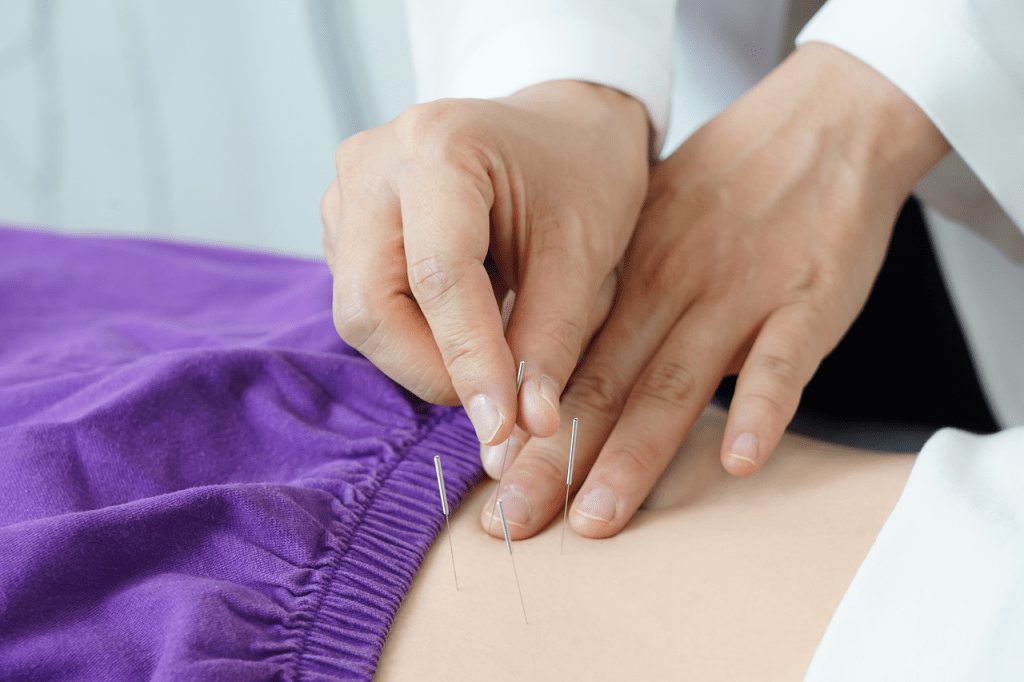
For some, the idea might sound intimidating—how could needles possibly be relaxing or healing? Yet for countless people around the world, this ancient Chinese therapy provides comfort and relief. Acupuncture, a core component of Traditional Chinese Medicine (TCM), has endured for over two millennia and is now practiced globally. From bustling hospitals in Beijing to holistic clinics in New York and London, acupuncture has bridged Eastern tradition and modern medicine as a popular complementary therapy.
Acupuncture’s rise in popularity comes as no surprise to those who have experienced its effects. Imagine lying on a treatment table while a trained healer gently taps slender needles into specific points on your skin. You might expect pain, but instead you feel a mild ache or tingling followed by a wave of relaxation. The goal of acupuncture today is much the same as it was in ancient times: to restore balance and promote wellness. But how did this technique begin? What does an acupuncture treatment involve, and what conditions can it help? Just as importantly, what does scientific research—both Eastern and Western—say about its effectiveness, and what risks should one keep in mind? In this feature, we’ll delve into the story of Chinese acupuncture: its rich history, its medical uses and health benefits, the insights from research, and the potential risks and considerations for those who seek healing in these time-honored needles.
The Ancient Origins of Acupuncture
Acupuncture has a long and storied history in China, dating back thousands of years. While written records clearly document acupuncture practice for about 2,000 years, some evidence suggests it may have been used in rudimentary forms as far back as the Neolithic age. In fact, archaeologists in China and neighboring countries have discovered sharpened stones and bones (known as bian stones) believed to have been early tools for acupuncture-like treatments, potentially used to puncture boils or stimulate precise points on the body as early as 3000–1000 BCE. According to Chinese legend, the origins of acupuncture are attributed to ancient culture heroes: one myth credits Emperor Fu Xi with creating the therapy using stone needles, and another attributes its development to the Yellow Emperor (Huang Di). Such legends, while symbolic, point to the deep roots of acupuncture in China’s prehistoric shamanistic practices, where healers used everything from needles to heat to ritual to cure ailments.
The first known texts describing an organized system of acupuncture date from around the early Han dynasty. The Yellow Emperor’s Classic of Internal Medicine (Chinese: Huangdi Neijing), compiled sometime before 100 BCE, is one of the fundamental books of TCM and contains the earliest detailed reference to acupuncture points and meridians. Written as a dialogue with the mythical Yellow Emperor, this classic sets forth the concepts of health and disease in terms of balancing energies within the body. It describes how vital life energy—called qi (pronounced “chee”)—flows through channels called meridians, and how inserting fine needles at specific sites can influence this flow to restore harmony in the body. By the first century AD, additional texts like the Classic of Difficulties further expanded acupuncture theory. These early writings established principles like the yin-yang balance and the Five Elements theory, which form the philosophical backbone of acupuncture and Chinese medicine. In essence, Chinese scholars over 2,000 years ago had mapped out a network of acupoints (eventually totaling 360 or more points) and developed techniques for treating illness by manipulating the qi at these nodes.
Over the ensuing centuries, acupuncture became a mainstay of medical practice in China and also spread to other parts of Asia. By the 6th century AD, it had been introduced to neighboring countries such as Japan and Korea, where it was incorporated into local healing traditions. Each culture put its own stamp on the practice—Japan, for example, developed very refined needle techniques—yet the core concept of channeling life energy remained. Throughout imperial China, acupuncture evolved alongside herbal medicine, moxibustion (burning of mugwort herb near points), and other therapies, collectively forming what we now call traditional Chinese medicine.
Despite its long history of use in Asia, acupuncture went through periods of decline and revival. In the 17th century, European traders and missionaries in East Asia were among the first Westerners to encounter acupuncture and report on it. Jesuit missionaries in China wrote about the exotic practice of needle puncture for pain relief at a time when European medicine relied on methods like bloodletting. There are accounts from this era of Europeans observing surgical procedures in Japan and China where acupuncture was used as the anesthesia. One Dutch physician, Willem ten Rhyne, published a treatise on acupuncture in 1683 after studying it in Japan. Such reports sparked brief interest in Europe—indeed, the very word “acupuncture” comes from the Latin acus (needle) and punctura (to puncture), coined by Western observers. However, without a theoretical framework familiar to Western science, acupuncture remained a curiosity in Europe and did not gain widespread adoption at that time.
In China, acupuncture faced challenges in the 19th and early 20th centuries as Western medicine began to influence the country. Some Chinese physicians in the late Qing dynasty questioned traditional methods, and for a time acupuncture was even banned from the Imperial Medical Institute as the government sought to modernize medicine. But acupuncture’s fortunes changed mid-20th century after the establishment of the People’s Republic of China. Chairman Mao Zedong, although reportedly not personally a user of TCM, promoted traditional medicine (including acupuncture) alongside Western medicine as a pragmatic way to provide healthcare to China’s vast population. This state support led to a renaissance of acupuncture in China: hospitals opened dedicated acupuncture departments, research institutes were founded, and practitioners systematized acupuncture education.
The global turning point for acupuncture’s popularity is often traced to the early 1970s. In 1971, a dramatic news story caught the world’s attention: James Reston, a journalist for The New York Times, was traveling in China when he developed appendicitis and underwent an emergency appendectomy in Beijing. During his recovery, Chinese doctors used acupuncture to relieve his post-surgical pain, and Reston wrote about the astonishing effectiveness of this “ancient needles” treatment in the Times. The following year, 1972, U.S. President Richard Nixon made a landmark visit to China, during which American physicians observed surgical operations performed with acupuncture anesthesia. Nixon’s personal physician, Dr. Walter Tkach, returned home fascinated and wrote an article titled “I Watched Acupuncture Work” in the July 1972 issue of Reader’s Digest, bringing acupuncture into mainstream American awareness. Around the same time, other Western doctors visiting China marveled at patients undergoing major surgeries (even open-heart surgery) with only acupuncture for anesthesia—and remaining conscious and comfortable. These eye-opening events spurred a wave of interest. By the late 1970s, acupuncture clinics were opening in Europe and North America, initial scientific studies were underway, and public curiosity was sky-high.
Since then, acupuncture has steadily gained acceptance and integration into modern healthcare. In 1997, the U.S. National Institutes of Health (NIH) formally acknowledged acupuncture as a therapeutic intervention, citing evidence of its efficacy in pain relief and recommending expanded research and training in medical schools. The World Health Organization (WHO) also convened expert panels to review clinical data and standardize acupuncture nomenclature. WHO released reports listing dozens of conditions for which acupuncture had shown benefit, helping validate the practice in the eyes of many conventional doctors. Today, acupuncture is practiced in over 100 countries and is the most widely used traditional medicine therapy globally especially in Singapore, Australia, Taiwan and Hong Kong. In China, it remains an essential part of the healthcare system, used in everything from primary care to specialized clinics. In Western countries, acupuncture is now widely available: one can find licensed acupuncturists in most major cities, many insurance plans (and even Medicare in USA) cover acupuncture for certain conditions, and integrative medicine programs in hospitals employ acupuncture to complement standard treatments. From its ancient origins to its modern resurgence, acupuncture’s journey reflects a unique blending of cultural heritage and scientific inquiry.
How Acupuncture Works: Eastern Theory and Western Science
At the heart of acupuncture is a fascinating interplay between traditional Eastern theory and modern biomedical science. Traditional Chinese Medicine (TCM) Theory: In TCM philosophy, good health is achieved by maintaining a balanced flow of qi (life energy) through the body. Qi flows along pathways called meridians that connect our organs and functions, much like networks linking different parts of the body. Illness or pain, according to this view, arises when qi is blocked or imbalanced. Acupuncture seeks to unblock and rebalance the qi by inserting fine needles at specific acupuncture points along these meridians. Each acupuncture point has particular effects—some influence the flow in a local area, while others act on distant organs or systems via the meridian connections. For example, points on the hand might be used to treat headache, or points on the foot to affect the liver. By gently stimulating these points, acupuncturists aim to restore harmony between yin and yang (the body’s complementary forces) and help the body heal itself. An acupuncturist’s training involves memorizing hundreds of points and understanding how combinations of points relate to specific symptoms. The procedure typically uses very thin, solid needles (not the hollow hypodermic kind used for injections) that are about as thin as a human hair. They are inserted to a shallow depth—often just a few millimeters to a centimeter—depending on the point and the effect desired. Patients often remark that the insertion is nearly painless; at most, one might feel a quick pinch or a dull ache when the needle reaches the correct spot, a sensation the Chinese call “deqi,” which indicates the qi is being engaged.
From the Western scientific perspective, how might needle punctures improve health? This question has fueled a great deal of research over the past few decades. Studies suggest several physiological mechanisms for acupuncture’s effects. One of the earliest breakthroughs in understanding came when researchers discovered that needling certain acupuncture points causes the brain to release natural painkillers such as endorphins and enkephalins. These chemicals are morphine-like substances produced by our own nervous system that can relieve pain and induce a feeling of well-being. Acupuncture has also been shown to trigger the release of neurotransmitters like serotonin and dopamine, which can affect mood and stress, and to modulate immune system components and hormones. Neuroimaging studies, including functional MRI, reveal that acupuncture can calm activity in pain-related centers of the brain and activate regions involved in emotional regulation and healing.
Another scientific explanation focuses on how acupuncture stimulation interacts with the nervous system locally. Inserting a needle and gently manipulating it (by hand or with mild electrical current) appears to stimulate underlying nerve fibers and sensory receptors in muscles and connective tissue. This can prompt increased blood flow to the area, reduce inflammation, and relax tight muscles or spasms. For instance, acupuncture points often lie at locations where nerves enter a muscle; needling these spots can cause the muscle to twitch and then release tension. Some researchers compare acupuncture points to “trigger points” or myofascial trigger zones known in physical therapy—a concept that interestingly overlaps with Chinese maps of meridians. It’s also been observed that many acupuncture points correspond anatomically with nerve bundles or dense connective tissue planes, suggesting the needles may send signals through these pathways. Additionally, the act of treatment involves a degree of mind-body interaction. The focused, calming experience of an acupuncture session might reduce stress and condition the body’s relaxation response (the opposite of the fight-or-flight response), thereby aiding healing. Indeed, scientists acknowledge that placebo effects and the patient’s expectations or therapist’s care can contribute to acupuncture’s benefits – however, clinical trials have found that true acupuncture often outperforms placebo procedures, indicating there is a genuine physiological effect beyond just placebo in many cases.
It’s important to note that from a Western standpoint, there is no single, simple answer to “how acupuncture works.” It likely works through a combination of mechanisms. As the NIH summarizes, acupuncture’s effects may include direct nervous system modulation, local tissue changes (like improved circulation), and more general psychological or placebo-related effects, all of which can overlap to produce therapeutic outcomes. This multifaceted mode of action might explain why acupuncture seems to influence everything from pain pathways to digestive function to mood. While early skeptics in the West sometimes dismissed acupuncture because it didn’t fit conventional anatomy, modern science is gradually uncovering concrete evidence that something very real and measurable happens during acupuncture – just perhaps not in the way ancient theory described. In fact, many contemporary practitioners adopt a blended view: they respect the traditional concepts of qi and meridians as useful analogies for a complex mind-body network, while also appreciating the biomedical findings that acupuncture triggers nerve signals, chemical releases, and immune modulation. This east-meets-west understanding continues to evolve as research progresses.
The Acupuncture Experience: What a Treatment Involves
For those who have never tried acupuncture, it may be reassuring to know what actually happens during a typical session. Acupuncture is usually performed in a calm, quiet setting. At the first visit, the practitioner will ask about your health history, symptoms, and lifestyle. In the TCM diagnostic style, they might also do some unusual but telling examinations: for example, feeling your pulses at the wrists (to gauge the state of your organs and energy flow), observing your tongue’s color and coating, and palpating for tender points on the body. These methods help the acupuncturist determine which meridians or points need attention.
When it’s time for treatment, you will lie down on a comfortable table, and the acupuncturist will identify a set of points to treat. They’ll swab those skin points with alcohol for cleanliness. Then, using sterile, single-use disposable needles (as thin as a cat’s whisker), they tap each needle quickly through the top layer of skin. You might feel a tiny prick or nothing at all. Once the needle is in place at the correct depth, you could experience a dull ache, warmth, or a tingling sensation—this is often a good sign that the point is activated. Most people do not find acupuncture needles very painful; the sensations are typically mild and fleeting. In fact, during the treatment many patients feel deeply relaxed. The acupuncturist may gently twirl or adjust the needles to intensify the effect, or even attach a weak electric pulse to some needles (a technique called electroacupuncture) to provide steady stimulation. Sometimes heat is applied via moxibustion (burning an herbal stick near the needle) or infrared heat lamps to warm the area. The needles are left in for about 10 to 30 minutes while you rest quietly. Soft music might be playing in the background, and it’s not uncommon to doze off.
After the designated time, the practitioner swiftly removes each needle—this usually doesn’t hurt at all—and disposes of them. There’s no bandaging required as needle points are very small; at most, a drop of blood may appear at a site, which is wiped away. You might feel immediate relief of symptoms, or simply a sense of calm or invigoration. In some cases, people feel energized; in others, pleasantly drowsy. In TCM it’s said that the body has been rebalanced, so one might experience improved sleep, better digestion, or a lighter mood in the days following. A typical treatment plan might involve one to two sessions per week for a number of weeks, depending on the condition. For chronic issues, a course of 6–8 sessions is common before significant improvements are expected. Each person’s response is unique—some notice changes right after the first treatment, while others see progress more gradually. If acupuncture is going to help a particular problem, improvement often begins within a few sessions; if there’s no change after, say, 5–6 sessions, the practitioner might reassess the approach or one might consider other therapies. Overall, an acupuncture appointment is designed to be a gentle, healing experience aimed at restoring balance in both body and mind – try this TCM clinic in Singapore: https://www.yehshealth.com/acupuncture/
Medical Treatments and Key Health Benefits
Acupuncture is used, in one form or another, to address a remarkably broad range of health issues. In China, it has traditionally been a general therapy for all sorts of ailments—from headaches to arthritis, digestive troubles to respiratory disorders. In the West, acupuncture first gained attention primarily as a treatment for pain, and pain management remains the most common reason people seek acupuncture today. But ongoing research and clinical experience have expanded the list of conditions where acupuncture may be beneficial. Below are some of the key health benefits and uses of acupuncture, as supported by both Eastern tradition and Western studies:
- Pain Relief (Chronic and Acute Pain): Perhaps the strongest evidence for acupuncture has been found in the area of pain management. Numerous studies and patient trials have shown that acupuncture can help relieve chronic pain conditions such as low back pain, neck pain, osteoarthritis (for example, knee arthritis), and chronic headaches. In fact, a large analysis of 20 studies involving over 6,000 patients found that acupuncture not only provided better pain relief than no treatment but also outperformed “sham” acupuncture (using fake needles or random points) for conditions like back, neck, and shoulder pain and osteoarthritis. The pain reduction achieved with acupuncture in some studies was comparable to that of standard pain medications like NSAIDs (anti-inflammatory drugs). This has practical significance: for example, the American College of Physicians’ clinical guidelines now recommend acupuncture as one of the first-line treatments for chronic low back pain, emphasizing its safety and modest but significant benefit. Acupuncture is also used for acute pain relief. Many dentists and oral surgeons employ acupuncture to reduce dental pain and anxiety during procedures, and some emergency rooms have tested acupuncture for things like migraine attacks or acute lower back sprains with good results. By stimulating the body’s own pain-control mechanisms (like endorphin release and nervous system calming), acupuncture provides a drug-free option that can reduce the need for pharmaceuticals in some cases.
- Headaches and Migraines: Acupuncture has long been used to treat headaches – in TCM terms, points on the hands, feet, and neck are chosen to dispel the “wind” or relieve stagnation causing head pain. Modern trials confirm that acupuncture can help prevent and ease tension headaches and migraines. Many patients report fewer headache days and less severe migraines when they receive regular acupuncture. This is one of the areas where even skeptics acknowledge acupuncture’s value; for instance, the U.K.’s National Health Service and other health bodies include acupuncture as a recommended treatment for chronic tension-type headaches and migraine prevention, given its favorable risk-benefit profile. A review of clinical trials in Germany found acupuncture was as effective as prophylactic migraine medications, with fewer side effects. For headaches, acupuncture might work by relaxing muscle tension and modulating blood flow in the scalp, as well as by impacting serotonin levels that are involved in migraine pathways.
- Arthritis, Joint, and Muscle Disorders: Painful conditions of the musculoskeletal system respond well to acupuncture. This includes not only osteoarthritis of the knee or hip (as mentioned above) but also rheumatoid arthritis (an autoimmune joint disease), fibromyalgia (a chronic pain syndrome), sciatica (nerve pain in the leg), tennis elbow, frozen shoulder, and low back muscle strain. For example, fibromyalgia patients often seek acupuncture for relief of widespread body aches and have reported improved pain and quality of life. Research cited by a 2022 analysis in the BMJ found evidence supporting acupuncture’s efficacy for fibromyalgia pain and neck/shoulder pain among other conditions. Another interesting use is in sports and orthopedic medicine: some physiotherapists use “dry needling” (which is essentially acupuncture under a different name) to release trigger points in muscles and speed up recovery from injuries. Acupuncture’s ability to boost local circulation and reduce inflammation can help loosen stiff joints or tight muscles, complementing exercises and physical therapy.
- Nausea and Vomiting (Postoperative and Chemotherapy-induced): One of the most clearly established benefits of acupuncture in Western medicine is its anti-nausea effect. Hospitals routinely use acupuncture (or acupressure) on the pericardium 6 point on the wrist to alleviate post-surgery nausea and vomiting, especially after anesthesia. It’s also commonly used for patients undergoing chemotherapy for cancer, to help with the nausea and vomiting caused by cancer drugs. The U.S. NIH and the WHO have both recognized that acupuncture at the wrist can significantly reduce these symptoms. In practical terms, an oncology department might offer patients ear acupuncture or wrist-point acupuncture as part of an integrative approach to ease chemo side effects. Pregnant women suffering severe morning sickness have also found acupuncture helpful, though care must be taken with pregnancy (certain points are avoided as they might stimulate uterine contractions).
- Stress, Anxiety, and Insomnia: In TCM, there is no strict separation between the physical and emotional—acupuncture has always addressed mental wellbeing too. Many people today turn to acupuncture as a form of stress relief. The experience itself is relaxing, and studies indicate acupuncture can coax the body out of a stressed state (reducing stress hormones and regulating the autonomic nervous system). It appears to help anxiety disorders and insomnia for some individuals. For example, veterans with PTSD or patients with generalized anxiety have seen improvements in anxiety levels and sleep quality with regular acupuncture sessions, according to some clinical trials. Acupuncture’s effect on the parasympathetic nervous system (the “rest and digest” mode) may underlie these benefits, as well as its modulation of neurotransmitters like serotonin and GABA which are important in anxiety and mood. While more research is needed, many integrative psychologists and holistic clinics include acupuncture as part of treatment plans for anxiety, often alongside counseling or meditation. It’s worth noting that in Chinese medicine, specific points are indicated for calming the spirit and nourishing the heart—which poetically aligns with their anti-anxiety effects.
- Women’s Health and Fertility: Acupuncture has a long history of use in gynecological and obstetric care in China. Today, it is often sought for menstrual cramps, irregular periods, and PMS symptoms; the idea is that acupuncture can help regulate hormonal balance and improve blood flow to reproductive organs. Some women find that monthly sessions reduce the pain of dysmenorrhea (menstrual pain) without the need for as much medication. Another very popular application is in the area of fertility and IVF support. Acupuncture is used in many fertility clinics as an adjunct therapy: research is mixed, but some studies have suggested that acupuncture around the time of IVF embryo transfer might slightly improve pregnancy rates, possibly by reducing uterine contractions or improving uterine lining receptivity. Additionally, acupuncture may help with morning sickness during pregnancy and is sometimes used (with caution) to try to turn breech babies or induce labor when a mother is past due (certain points are known in TCM for stimulating uterine activity). It’s crucial that pregnant women only get acupuncture from qualified practitioners who know which points are contraindicated in pregnancy. Overall, women’s health issues from menopause symptoms (like hot flashes) to infertility have drawn interest in acupuncture as a complementary approach.
- Allergies, Asthma, and Immune Function: TCM texts describe boosting the body’s defensive qi to fight off external pathogens—essentially, supporting the immune system. Modern users of acupuncture sometimes report relief from allergic rhinitis (hay fever), possibly by needling points that reduce inflammation in the sinuses and modulate immune response. A 2022 analysis noted promising evidence for acupuncture easing allergy symptoms and even helping with perennial allergic rhinitis. Similarly, acupuncture (particularly techniques like auricular acupuncture on ear points) has been tried for asthma and shown some improvements in breathing function when used alongside standard inhalers. It’s thought that acupuncture may reduce the frequency of asthma attacks by calming immune overreaction and opening airways slightly—though it’s not a standalone treatment for serious asthma. In general, while acupuncture is not a cure for infections, some proponents claim regular acupuncture can support overall immune function; for instance, patients with frequent colds might use it to bolster their resistance. Research in this area is ongoing, but small studies have found that acupuncture can increase certain immune markers and regulate inflammatory cytokines, suggesting an immune-modulating effect.
- Neurological and Stroke Rehabilitation: Acupuncture is widely used in China as part of rehabilitation for stroke survivors. After a stroke, patients may have paralysis, speech difficulties (aphasia), or other deficits. Acupuncture (often combined with Chinese herbal medicine and physiotherapy) has been integrated into post-stroke rehab programs to help improve motor recovery and cognitive function. Notably, that BMJ overview of evidence found one of the strongest positive effects of acupuncture was for post-stroke aphasia (difficulty speaking), where patients showed significant improvements. Acupuncture may aid stroke recovery by promoting nerve regeneration and blood circulation in the brain, as well as reducing muscle spasticity in affected limbs. Additionally, conditions like Parkinson’s disease, peripheral neuropathy, and even vascular dementia have been subjects of acupuncture research, with some studies indicating symptom relief (e.g., reduced tremors in Parkinson’s or improved nerve conduction in neuropathy). These applications remain supplementary to standard neurological care, but they open intriguing possibilities for acupuncture in neurotherapy.
- Digestive Issues: TCM places a strong emphasis on harmonizing the digestive system (the spleen and stomach meridians). Acupuncture has been employed for functional digestive disorders such as irritable bowel syndrome (IBS), acid reflux, gastritis, and constipation. Patients with IBS, for example, sometimes report less abdominal pain and bloating with regular acupuncture, potentially due to the way acupuncture can regulate gut motility and reduce stress (a trigger for IBS). In one study, acupuncture was found to be more effective than certain medications for chronic constipation-predominant IBS, offering longer-lasting relief. Acupoint combinations like stomach 36 (below the knee) and others on the abdomen are often used to strengthen digestion. While dietary therapy and herbs often accompany acupuncture in treating digestive woes, the needles themselves seem to have a calming effect on the gut-brain axis.
It’s important to emphasize that acupuncture is usually used as a complementary therapy, not necessarily a stand-alone cure (except for some pain conditions). For many ailments, it’s integrated into a broader treatment plan. For example, a cancer patient will still undergo chemotherapy or surgery as needed but may use acupuncture to alleviate side effects like neuropathy, fatigue, or mood changes. A person with chronic back pain might continue with physical therapy and exercise while getting acupuncture to better control pain flare-ups. The beauty of acupuncture is that it often works synergistically with other therapies—enhancing overall results or reducing the need for medications. Indeed, the growing openness of the medical community has led to more integrative care models. Major hospitals and cancer centers worldwide (from Memorial Sloan Kettering in New York to integrative medicine programs in Singapore and Sydney) now have licensed acupuncturists on staff. The goal is to treat the “whole person,” addressing physical symptoms, mental stress, and energetic balance together. In fact, the Minister of Health in Singapore had announced that TCM will officially be part of the national Healthier SG program.
What the Research Says
Research on acupuncture’s effectiveness has grown exponentially, producing a mix of enthusiasm and some healthy skepticism. On the one hand, robust evidence supports acupuncture for a variety of conditions, especially chronic pain. As noted, large meta-analyses have confirmed that acupuncture has statistically significant benefits for chronic low back pain, osteoarthritis pain, neck pain, and headache disorders. These findings have moved organizations like the NIH, WHO, and leading medical journals to acknowledge acupuncture as a legitimate option in these areas. A comprehensive review published in the BMJ in 2022 analyzed over 2,000 systematic reviews of acupuncture and concluded that the science is strongest for certain conditions including post-stroke rehabilitation (e.g., aphasia), chronic musculoskeletal pain (neck, shoulder, knee), fibromyalgia, postpartum lactation issues, lower back pain, and allergic rhinitis, among others. There is also encouraging evidence for acupuncture’s role in addiction recovery (it’s used in some detox programs to help reduce withdrawal symptoms), menstrual and menopausal symptoms, and functional disorders like IBS.
On the other hand, researchers also note that not all studies are of high quality and not all claims are conclusively proven. One challenge in acupuncture research is the difficulty of designing placebo controls—what is a convincing “sham” acupuncture, given that even superficial needling or pressing can have some effect? Despite this, many trials do use sham controls, and overall the better-designed studies tend to show moderate benefits of true acupuncture over sham for pain and nausea, while for some other conditions results are mixed. Critics point out that publication bias (positive studies getting published more than negative ones) and varied methodologies can cloud the evidence. The 2022 BMJ analysis mentioned above also highlighted that among the huge number of reviews, some were of low quality and that acupuncture’s effectiveness for certain conditions still needs more rigorous confirmation. For instance, acupuncture for depression or weight loss has had contradictory results in studies; some trials show improvement, others show little difference from placebo. Similarly, while many women swear by acupuncture for fertility or PCOS (polycystic ovarian syndrome), systematic reviews haven’t unanimously confirmed a significant benefit in pregnancy rates.
Research in China has often reported positive outcomes, but Western experts sometimes question if those studies are reliably blinded or free of bias. Encouragingly, more high-quality trials are being conducted internationally now, and efforts are underway to standardize acupuncture research protocols. In fact, leading experts have called for more rigorous clinical trials and for consensus on acupuncture point locations and treatment dosing, to better validate how acupuncture can be optimized. It’s a field where ancient practice meets modern evidence, and the two don’t always perfectly align – but they increasingly find common ground.
In summary, the key health benefits of acupuncture recognized today include effective relief of various types of chronic pain, reduced frequency and intensity of tension headaches and migraines, easing of chemotherapy and post-surgery nausea, improvement in some symptoms of anxiety, insomnia and menopause, and supportive therapy in stroke rehab and addiction treatment. Moreover, many individuals report generalized benefits such as improved energy, stress reduction, and a greater sense of wellbeing. While it’s not a magic bullet and not every condition responds to acupuncture, this therapy has earned a respected place in integrative medicine for the significant number of people it can help. As one pain specialist told Time magazine, “Like any treatment, acupuncture doesn’t work for everyone, but the majority of my patients who have tried it have found relief”. That blend of research-backed results and anecdotal success is why acupuncture continues to gain traction, even in countries far from its Chinese roots.
Risks and Safety Considerations
One of the appealing aspects of acupuncture is that, when performed by a qualified practitioner, it is generally very safe and well-tolerated. However, like any medical intervention, it is not entirely without risks. Fortunately, serious side effects from acupuncture are rare, and most of the common adverse effects are minor and transient.
Common side effects include slight soreness, redness, or bruising at the needle insertion sites after a session. It’s not unusual to have a little muscle achiness or a feeling of heaviness in the treated areas for a short while—some patients describe it as similar to how one feels after a deep tissue massage. Occasionally, a patient might feel lightheaded or drowsy immediately after treatment, especially if it’s their first time or if they haven’t eaten beforehand. These mild reactions usually resolve quickly and pose no lasting harm.
Acupuncture needles today are strictly regulated (for instance, by the U.S. FDA, Ministry of Health Singapore and most other regulators) as medical devices. They are sterile, disposable, single-use needles, which virtually eliminates the risk of infection or disease transmission. In the past, before such standards, there were cases of infections or hepatitis spread by reusing needles, but this is exceedingly unlikely now in professional practice. To ensure safety, one should always go to a licensed or certified acupuncturist who follows proper clean needle technique.
That said, rare but serious complications have been reported, usually when acupuncture is performed improperly. The most common serious injury is pneumothorax, a collapsed lung, which can happen if a needle is inserted too deeply into the chest or upper back and punctures the lung membrane. This sounds alarming, but pneumothorax from acupuncture is very rare (most acupuncturists will never encounter it in their career) and it’s avoidable with correct technique and knowledge of anatomy. Other extremely uncommon adverse events include injury to other organs, nerve damage, or bleeding inside the body. There have been a handful of case reports of problems like cardiac tamponade (fluid around the heart) or spinal cord injury from grossly improper needling, but these are extraordinarily isolated considering the millions of acupuncture treatments given each year. Overall, a large-scale review in 2017 of acupuncture safety concluded that acupuncture, when practiced by trained professionals, has a very low rate of serious adverse effects. As Wellner Chan, Managing Editor of Global Wellness Digest, explains:” Every human body is different, just like our thumb print.”
Who should be cautious? Certain individuals need to take special care with acupuncture or avoid it altogether. If you have a bleeding disorder (like hemophilia) or are on blood-thinning medications, acupuncture might cause a bit more bleeding or bruising, so your practitioner might use extra gentle techniques or avoid certain points. If you have a pacemaker, you should avoid any form of electroacupuncture (where a mild electric current is applied to the needles) because it could theoretically interfere with the pacemaker’s function. Pregnant women can get acupuncture for some conditions (like back pain or nausea), but must only see practitioners experienced in prenatal acupuncture, because certain acupuncture points are traditionally believed to stimulate uterine contractions and could potentially trigger premature labor if used incorrectly. Generally, acupuncturists will avoid those points or use very mild stimulation during pregnancy. It’s always important to inform the acupuncturist if you are pregnant or suspect you might be.
Another consideration is that acupuncture is a complementary therapy, not a replacement for necessary conventional medical care. Ethical acupuncturists will not hesitate to refer a patient to a physician if a serious condition is suspected. For example, if someone comes in with severe abdominal pain, an acupuncturist might treat the pain but also advise the patient to get a medical evaluation to rule out something like appendicitis. Do not rely on an acupuncturist alone to diagnose a serious illness—they are trained in a different diagnostic system and their assessment is not a substitute for standard medical tests. The best approach is integrative: use acupuncture alongside regular check-ups and treatments from your medical doctor, not in place of them.
To maximize safety, choose a well-trained, licensed practitioner. Many countries have licensing requirements for acupuncturists. For instance, in the United States most states require acupuncturists to pass national board exams (NCCAOM certification) and be state licensed; medical doctors can also practice acupuncture in some cases, but not all MDs have extensive acupuncture training. Look for credentials like “L.Ac.” (Licensed Acupuncturist) or certification in acupuncture and Chinese medicine. Personal referrals and reviews can be helpful to find someone reputable. A good acupuncturist will take a thorough history, explain the treatment, use sterile needles, and make you feel comfortable throughout the process. They will also discuss a realistic treatment plan and respect your preferences.
Cost and accessibility are practical “risks” to consider as well. Acupuncture is often paid out-of-pocket, though insurance coverage has been improving. In some countries or regions, one might have limited access to qualified providers. It’s worth checking your insurance – for example, as of 2020 Medicare in the U.S. began covering acupuncture for chronic low back pain, a sign of growing acceptance. If cost is a barrier, some communities have low-cost acupuncture clinics or group acupuncture sessions where multiple people are treated in one room at a time (in recliners), which can reduce fees.
In summary, the risks of acupuncture are low but not zero. The therapy’s non-pharmacological nature means you avoid drug side effects, which is a big plus. To ensure a safe experience: communicate openly with your provider (about your conditions, medications, pregnancy status, etc.), follow their advice (for instance, they might say to avoid strenuous exercise right after a session or to stay warm), and keep your other healthcare providers informed that you are receiving acupuncture. When performed correctly, acupuncture’s most significant “side effect” might just be a sense of calm and well-being.
Acupuncture in East and West: Bridging Cultures and Modern Integrative Care
The story of acupuncture’s rise from ancient China to worldwide use is also a story of cultural exchange and changing attitudes in healthcare. In its homeland, acupuncture is part of daily life and mainstream medicine – used in ambulances for pain relief, in obstetric wards for labor pain, and in combination with Western medicine in hospitals. The Chinese government continues to support TCM, and Chinese universities conduct extensive acupuncture research (publishing hundreds of studies each year). In Asia, one might find acupuncture not only in clinics but even in spas or beauty centers (for example, cosmetic acupuncture for facial rejuvenation has become trendy). Acupuncture and related techniques like acupressure and cupping are also embedded in folk culture – many families know acupressure points for common ailments or apply suction cup therapy at home for colds and muscle aches.
In Western countries, the initial fascination in the 1970s has evolved into a more evidence-based and pragmatic acceptance. Today, acupuncture is no longer seen as “mystical” by the average person; it’s a service you might find offered by a chiropractor, a physical therapist, or an MD specializing in pain management, in addition to traditional acupuncturists. Integration into conventional medicine is increasing. Pain clinics at major hospitals sometimes have an acupuncturist on the team. For instance, the Memorial Sloan Kettering Cancer Center and the Mayo Clinic both have acupuncture as part of their integrative medicine departments to help patients with side effects and recovery. The U.S. military has even incorporated a form of acupuncture (battlefield acupuncture, which involves ear points) to help soldiers with pain and stress in combat zones because it’s low-cost, safe, and easily administered. Likewise, Britain’s National Health Service offers acupuncture in some of its clinics for migraines and chronic pain, and many German insurance plans cover acupuncture for back and knee pain, following large German studies that showed benefit.
Public interest continues to drive acupuncture’s presence as well. In the age of the internet and social media, information about acupuncture is widely accessible and shared. You can find thousands of YouTube videos discussing or demonstrating acupuncture—from experts explaining “how acupuncture works” to patient testimonials. For example, the medical director of integrative medicine at Baylor University Medical Center, Dr. Carolyn Matthews, appears in one YouTube video to discuss the benefits of acupuncture for pain, stress, fertility, and more, helping educate the public through a familiar medium. On Facebook and other social platforms, discussions about acupuncture’s effectiveness are common, and articles from major outlets are circulated among users. A Time magazine article titled “Why Acupuncture Is Going Mainstream in Medicine” garnered attention and shares on Facebook, reflecting the high curiosity and engagement people have with this topic. In short, acupuncture has gained a firm foothold in popular consciousness across the globe. It’s not unusual to hear of professional athletes using acupuncture for injury recovery, or celebrities touting acupuncture for wellness (for instance, many Hollywood actors have spoken about using acupuncture to stay balanced during stressful film shoots). This visibility further blurs the line between alternative and conventional, making acupuncture just another tool people consider for their health.
From a cultural perspective, the West’s embrace of acupuncture has also led to interesting collaborations. Scientists in the U.S. and Europe often partner with Chinese researchers to study acupuncture more rigorously. International conferences on acupuncture bring together physicians, PhDs, and traditional practitioners to share findings. In 2010, the prestigious journal Nature even noted that acupuncture was “biologically plausible” and encouraged more research rather than dismissal. The World Health Organization supports training programs to standardize acupuncture education and ensure quality of practice worldwide.
It is worth noting that not everyone is completely convinced—skeptics in the medical community do exist and often debate acupuncture’s merits, sometimes attributing any benefits purely to placebo effect or patient belief. However, the trend has been a gradual shift from skepticism to cautious acceptance, especially as opioid addiction crises force doctors to seek non-drug therapies for pain and as patients demand more holistic care. In that sense, acupuncture serves as a bridge: it brings a piece of ancient Eastern wisdom into modern Western clinics, and it challenges us to broaden our understanding of healing. The success of acupuncture has also paved the way for greater openness toward other TCM practices (like herbal medicine, tai chi, etc.) and complementary therapies in general.
Conclusion
Chinese TCM acupuncture stands as a remarkable example of an ancient healing art that has not only survived into the modern era but is thriving and evolving within it. From its humble beginnings—perhaps as stone needles used by tribal shamans millennia ago—to its codification in classical texts 2,000 years back, to its expansion along the Silk Road and beyond, acupuncture’s journey is intertwined with human history. Today, it sits at the crossroads of East and West, embraced by people of diverse cultures for one simple reason: many who try it feel better. Whether it’s a construction worker in San Francisco finding relief from chronic back pain, or a retiree in Singapore managing arthritis, or a young mother in London overcoming migraines, acupuncture has touched the lives of millions with its gentle yet profound effects.
Of course, the narrative of acupuncture is also one of integration: science has scrutinized it, sometimes with puzzlement, other times with endorsement, and patients and practitioners alike have learned to appreciate both the traditional wisdom and the modern evidence that underpin this practice. We’ve learned that those fine needles can trigger biochemical changes—releasing endorphins, calming the brain, reducing inflammation—even as we still speak of them in terms of balancing qi and yin-yang. This dual language of acupuncture is part of its charm and challenge, bridging a gap between different ways of understanding the body.
For anyone considering acupuncture, the key takeaways are encouraging. It is a relatively safe therapy when done correctly, and it can be a valuable complementary treatment for a range of conditions, particularly chronic pain, headaches, and nausea, where conventional medicine may not always have perfect answers. It’s not a panacea, and it’s not magic: what it offers is another pathway to healing, one that engages your body’s own recuperative processes in a unique way. It also offers an experience – lying peacefully for a half-hour, disconnected from the bustle of life, allowing your body and mind to reset – that in itself contributes to well-being in our high-stress world.
Chinese acupuncture’s enduring popularity is a testament to its adaptability and efficacy. It has weathered skepticism and emerged as a respected component of holistic health care. In the spirit of Reader’s Digest, which has long introduced global ideas to a broad audience in an accessible way, we find that acupuncture is no longer foreign or exotic, but rather a familiar option on the wellness menu. As ongoing research continues to clarify how and for what it works best, acupuncture is likely to become even more integrated into standard medical practice. In the end, perhaps the greatest benefit of acupuncture is what it represents: a meeting point of ancient tradition and modern innovation, reminding us that when it comes to healing, sometimes the old and the new can work hand in hand—for the betterment of our health and lives.
 Global Wellness Digest
Leave a comment