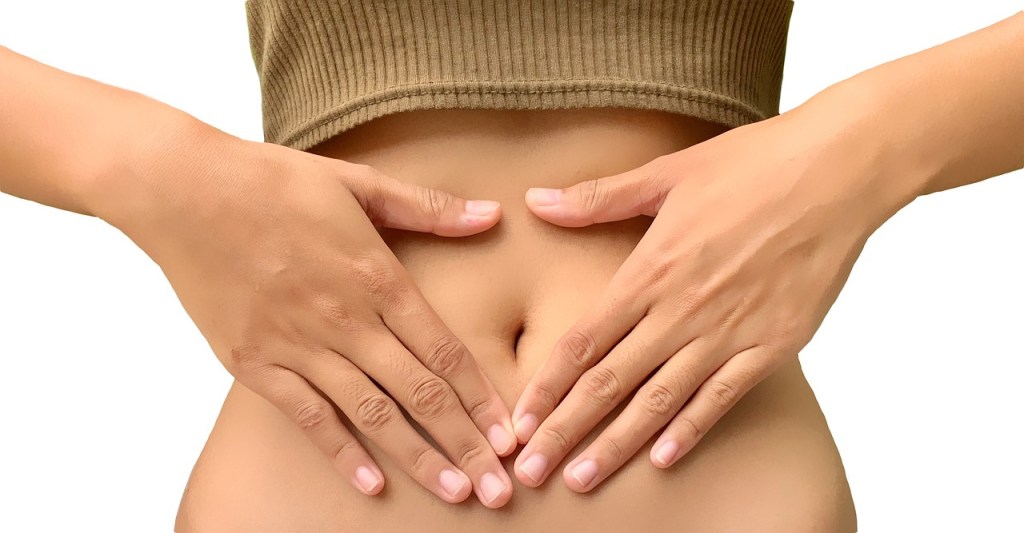
A healthy gut is the cornerstone of overall well-being, influencing digestion, immunity, and even mood. Trillions of microbes (bacteria, viruses, fungi) call our gastrointestinal tract home and work to digest food, make vitamins, fight pathogens, and modulate inflammation. Nurturing these beneficial microbes through diet and lifestyle can help reduce digestive issues like bloating or constipation and may protect against broader health problems. Below, we outline 25 science-backed strategies – from dietary tweaks to lifestyle habits – that you can start today to improve your gut health.
Fermented foods like yogurt (for probiotics) and fruits like apples (rich in fiber) can nourish a balanced gut microbiome. A healthy mix of probiotics and prebiotics in your diet supports digestion and overall gut function.
Dietary Strategies for a Healthy Gut
- Eat a High-Fiber Diet. Load up on fruits, vegetables, legumes (beans, lentils), nuts, and whole grains to increase your fiber intake. Fiber is a prebiotic – it passes undigested to the colon, where it feeds beneficial bacteria and helps them thrive. As gut microbes ferment fiber, they produce short-chain fatty acids that nourish the gut lining and reduce inflammation. A fiber-rich diet is linked to improved regularity and a more diverse microbiome, so aim to meet the daily fiber recommendations (about 25–30 grams) for better digestive health.
- Eat a Diversity of Plant Foods. Strive for variety in your diet – the more types of plant-based foods you eat, the more diverse your gut microbiome is likely to be. Different fruits, veggies, beans, and grains provide an array of fibers and polyphenols that feed distinct bacterial species. Research shows that dietary variety leads to a healthier, more diverse gut microbiome. In practice, try to “eat the rainbow” by including a wide range of colors and produce types each week. This diversity of nutrients creates a balanced environment where helpful gut microbes can flourish and crowd out harmful ones.
- Include Fermented Foods for Probiotics. Make probiotic-rich foods a staple in your diet. Fermented foods like yogurt, kefir, sauerkraut, kimchi, miso, and kombucha contain live beneficial bacteria that can colonize the gut. Regularly consuming these foods introduces “good” microbes (probiotics) that support digestion, enhance immune function, and may even influence metabolism and mood. Consistency is key – try adding at least one fermented food to your meals each day (for example, yogurt at breakfast or a forkful of kimchi with dinner) for the greatest benefit. Over time, probiotics from foods help maintain a balanced gut environment and prevent overgrowth of unhealthy bacteria linked to issues like obesity and inflammation.
- Eat Prebiotic Foods that Feed Good Bacteria. Complement probiotics by eating prebiotics – the fibers and resistant starches that fuel your gut’s friendly microbes. Many fruits and vegetables contain these complex carbs. Top prebiotic foods include garlic, onions, leeks, asparagus, bananas, artichokes, apples, flaxseeds, and oats. Your gut bacteria ferment these fibers to produce beneficial compounds (like short-chain fatty acids) that keep the colon environment healthy. For example, bananas and onions are high in inulin and fructooligosaccharides, which specifically nourish bifidobacteria and other helpful species. Incorporating a variety of prebiotic-rich foods in your diet will “feed your gut” and help your probiotic population grow.
- Choose Whole Grains Over Refined Carbs. Swap out white bread, sugary cereals, and refined grains for whole grains to boost fiber and nutrient intake. Whole grains – such as oats, barley, brown rice, quinoa, whole wheat, millet, and rye – provide plenty of fiber and oligosaccharides that act as prebiotics. Unlike refined grains, whole grains retain their bran and germ, offering more vitamins and better fuel for gut bacteria. Eating whole grains regularly has been shown to increase the growth of beneficial bacteria that aid digestion. In fact, diets rich in whole grains can lead to higher production of short-chain fatty acids, which support colon health and may help lower gut inflammation. When shopping, look for “100% whole grain” on labels and aim for at least 3 grams of fiber per serving in breads or cereals.
- Limit Added Sugars and Sweets. A high intake of refined sugar (found in soda, candy, desserts, and many processed foods) can upset the balance of your gut microbiome. Unhealthy bacteria and yeast tend to thrive on excess sugar, potentially leading to dysbiosis (an imbalance of gut microbes). Moreover, diets high in sugar are often low in fiber, depriving beneficial bacteria of their fuel. Harvard experts note that a Western diet heavy in sugar creates a toxic environment for healthy gut microbes. Over time, too much sugar may contribute to inflammation of the gut lining and undesirable shifts in bacterial populations. To protect your gut, satisfy your sweet tooth with whole fruits or small portions of dark chocolate, and cut back on sugary drinks and treats.
- Avoid Highly Processed Foods and Preservatives. Processed foods (like fast food, packaged snacks, and ready-made meals) often contain additives, emulsifiers, and preservatives that can negatively affect your digestion and gut flora. These foods are also typically low in fiber and high in unhealthy fats, starches, and salt. Gastroenterologists warn that preservatives and artificial ingredients in ultra-processed foods make digestion harder – they can slow gut motility (how food moves through the intestines) and allow “bad” bacteria to build up. Many processed items (e.g. processed meats, instant noodles) have also been linked to increased inflammation in the gut. To improve your microbiome, focus on whole, minimallyprocessed foods and cook at home when possible. If you do eat prepared or packaged foods, check labels and choose options with simple ingredients and no added chemicals that might disrupt your gut balance.
- Cut Back on Artificial Sweeteners. Sugar substitutes like aspartame, sucralose, and sugar alcohols may be calorie-free, but they are not necessarily gut-friendly. Research has found that some artificial sweeteners can alter the composition of gut bacteria and lead to glucose intolerance in animal studies. Clinicians note that anything “artificial” tends to be harder for the body to process. In some people, artificial sweeteners (and “sugar-free” diet products containing sorbitol or xylitol) can cause bloating, gas, or diarrhea because they ferment poorly in the gut. A good rule of thumb is to use these sweeteners sparingly. Instead, consider natural alternatives like stevia or small amounts of honey, or better yet, satisfy cravings with naturally sweet fruits. Your gut will benefit from avoiding the chemical additives and enjoying more real, whole foods.
- Moderate Your Red Meat Intake. Diets high in red and processed meats have been associated with less favorable gut bacteria profiles and health issues. Red meat is harder to digest and, when broken down, it produces compounds like TMAO (trimethylamine N-oxide) through gut bacterial action, which have been linked to heart disease. Moreover, a meat-heavy diet often means less fiber-rich plant food intake. For better gut (and overall) health, limit portions of red meat and opt for lean protein sources more often. Experts suggest keeping red meat to small servings (3 oz) no more than a couple of times per week. You can replace beef or pork with poultry, fish (which provides beneficial omega-3 fatty acids), or plant proteins like beans and lentils. Plant-based proteins not only lack the potentially harmful compounds of red meat but also come with fiber that feeds your microbiome. If you do enjoy red meat occasionally, try to pair it with plenty of vegetables to mitigate some negative effects.
- Stay Hydrated by Drinking Enough Water. Don’t underestimate the importance of plain water for your digestive system. Adequate hydration keeps the contents of your gut moving smoothly and helps prevent constipation. Water is essential for breaking down food, absorbing nutrients, and producing digestive juices and saliva. It also softens stools – if you’re getting plenty of fiber but not enough water, you may end up bloated or constipated. Aim to drink water consistently throughout the day (about 8 glasses, or enough that your urine is pale yellow). Tip: If you increase your fiber intake, increase your water intake alongside it to help that fiber do its job. As Mayo Clinic experts note, water can even help with weight management by improving satiety when consumed with meals. In short, keeping hydrated is one of the simplest ways to support healthy digestion and gut function.
Lifestyle Habits and Other Strategies
- Exercise Regularly for Gut Motility and Diversity. Physical activity isn’t just good for your heart and waistline – it can benefit your gut microbiome as well. Studies have found that people who exercise tend to have more diverse gut bacteria. While the exact mechanisms are still being studied, researchers propose that exercise may alter gut transit time (how fast food moves through the intestines), reduce gut inflammation, and positively modify the gut environment. Even moderate activities like walking, cycling, or yoga can stimulate intestinal contractions and help prevent constipation. In one Cleveland Clinic article, doctors noted that staying active (at least 150 minutes of exercise per week) can keep you regular and “your stomach will thank you”. Find ways to move your body daily – whether it’s a brisk walk after dinner, a gym session, or a dance class – to support both digestive health and overall health.
- Get Enough Quality Sleep. Prioritize 7–9 hours of sleep per night to give your gut and body time to rest and repair. Inadequate sleep or irregular sleep patterns can negatively affect gut health. Lack of sleep has been linked to increased levels of stress hormones and a higher prevalence of obesity, which in turn is associated with more digestive problems. Additionally, some research suggests that the gut microbiome has its own daily rhythms – disrupting those rhythms with poor sleep might alter the composition of your microbiota. By establishing a consistent sleep schedule and good sleep hygiene (like avoiding screens before bed and sleeping in a dark, cool room), you support your gut-brain axis. You may notice improvements in digestion, metabolism, and even your mood when your sleep improves. Remember, a well-rested gut is a healthier gut.
- Manage Stress Through Relaxation Techniques. Chronic stress and anxiety can wreak havoc on your digestive system. The brain and gut are closely connected via the vagus nerve and chemicals like serotonin – this gut-brain connection means mental stress often translates into physical gut symptoms (like cramping, nausea, or changes in bowel habits). High stress levels can alter gut motility and even the gut microbiome composition, as stress hormones may foster an inflammatory environment. Reducing stress is thus fundamental to easing issues like heartburn and irritable bowel syndrome. There may not be a “magic diet” for stress-induced gut troubles, so incorporating relaxation practices is key. Consider techniques such as meditation, deep breathing exercises, progressive muscle relaxation, yoga, or tai chi. Even simple hobbies that calm your mind (reading, listening to music, walking in nature) can lower stress. Over time, stress management can lead to fewer bouts of indigestion and a more balanced gut environment. If you find your stress or anxiety overwhelming, seeking support from a counselor or therapist can also indirectly benefit your gut health by improving your emotional well-being.
- Eat Slowly and Mindfully. How you eat can be just as important as what you eat. Eating too quickly or on the run can cause you to swallow excess air and can overwhelm your digestive system. To improve your digestion, slow down and chew your food thoroughly. Mayo Clinic experts advise taking your time during meals and making eating a relaxed occasion – this helps you swallow less air (reducing belching) and allows your gut to better process the food. Mindful eating means focusing on each bite, savoring flavors, and listening to your body’s hunger/fullness cues. Also try to avoid eating when you’re very stressed or anxious, as stress can interfere with digestion and gut motility. By eating slowly and in a calm environment, you’ll likely notice less gas, bloating, and discomfort after meals. It may also improve nutrient absorption since digestion begins with thorough chewing and saliva mixing.
- Watch Your Portion Sizes. Consuming very large meals in one sitting can strain your digestive tract and lead to issues like acid reflux, bloating, or post-meal sluggishness. To keep your gut happy, aim for moderate portion sizes and consider eating smaller, more frequent meals if that suits you. Overeating can overwhelm your stomach and may also alter the gut bacteria due to large influxes of nutrients at once. By contrast, eating just until you’re comfortably satisfied gives your digestive system an easier workload. Mayo Clinic recommends being mindful of portions to avoid gut discomfort or taking in more calories than your body needs. Using smaller plates, checking in with your fullness level halfway through a meal, and packing leftovers are useful strategies to prevent overeating. Balanced portions will help you maintain a healthy weight as well – another plus for gut health, as obesity is linked to changes in the microbiome.
- Maintain a Regular Meal Routine. Our bodies (and gut microbes) appreciate a consistent schedule. If possible, try to eat meals around the same times each day. Having a regular eating routine can “train” your digestive system to anticipate meals, which may optimize digestive enzyme release and bowel motility at those times. Mayo Clinic experts note that eating on a schedule can help your digestive system work more predictably and then get adequate rest between meals. This doesn’t mean you have to eat at exactly 12:00 pm every day, but having a general pattern (e.g. breakfast in the 7–9 am range, lunch around noon, dinner in the evening) can be beneficial. A regular schedule also helps prevent impulsive snacking or skipped meals that might lead to overeating later. Of course, life can be irregular – but keeping some consistency where you can (especially for your largest meals) will support steady digestion and even help regulate your body’s internal clock, which has ties to metabolism and gut function.
- Consider Probiotic Supplements When Appropriate. While a healthy diet should be your primary means of cultivating gut health, probiotic supplements can be useful in certain situations. Probiotics are capsules or powders containing live beneficial bacteria (such as lactobacillus or bifidobacterium strains) that can help replenish your gut flora. If you’ve recently taken a course of antibiotics – which can wipe out both bad and good bacteria – taking a probiotic supplement or eating probiotic foods may help re-establish a diverse microbiome more quickly. Some people with specific digestive issues (like antibiotic-associated diarrhea or irritable bowel syndrome) also report improvement with targeted probiotic strains. It’s important to choose a reputable product and, if possible, consult a healthcare provider for recommendations on strains and doses that match your needs. Keep in mind that if your microbiome is already healthy and diverse, adding more of one species via a supplement might not make a noticeable difference. However, probiotic supplements are generally considered safe for most healthy adults, and many find them helpful for maintaining gut balance. Whether through foods or supplements, boosting your intake of good bacteria can support your gut’s ecosystem – especially during or after challenges like antibiotics, travel, or illness.
- Avoid Smoking for a Healthier Gut. Smoking tobacco isn’t just damaging to your lungs and heart – it also harms your digestive tract and gut microbiome. Cigarettes contain numerous toxins and chemicals that can kill beneficial gut microbes and reduce the overall diversity of your microbiome. Smoking also increases inflammation and physical stress on the body, including the lining of the stomach and intestines. Research has linked smoking to higher rates of heartburn, peptic ulcers, and Crohn’s disease. According to Harvard experts, when your microbes are exposed to cigarette smoke, they may become distressed and even turn against the host (you) – potentially causing an imbalance and greater gut permeability. Quitting smoking can be challenging, but it is one of the best things you can do for your digestive health (and your health in general). Former smokers often find that their digestion improves and they experience less bloating and acid reflux after quitting.
- Limit Excessive Alcohol Consumption. If you drink alcohol, do so in moderation, because heavy drinking can disrupt your gut’s delicate balance. Alcohol can irritate the digestive tract, alter the gut microbiome, and inflame the gut lining. In fact, even short-term alcohol use has been shown to shift the composition of gut bacteria from a state of balance to dysbiosis (imbalance). Alcohol’s metabolites (breakdown products) can be toxic to beneficial microbes and can damage the protective mucus layer of the intestines, contributing to a “leaky gut” where unwanted substances pass into the bloodstream. Over time, excessive alcohol intake may lead to gastritis, diarrhea, and malabsorption of nutrients, not to mention liver disease which further affects gut health. For cancer prevention and optimal gut health, zero alcohol is the safest choice, according to many experts. If you choose to drink, stick to moderate levels (e.g. no more than 1 drink per day for women, 2 for men) and incorporate alcohol-free days each week. You can also support your gut by not drinking on an empty stomach and staying hydrated. Remember that your liver and gut have to work hard to process alcohol – giving them a lighter load will keep your microbiome happier.
- Use Antibiotics Only When Necessary. Antibiotics are sometimes essential to treat bacterial infections, but they can be a double-edged sword for your gut. These medications work by killing bacteria – unfortunately, they cannot distinguish between harmful pathogens and your beneficial gut flora. As a result, a round of broad-spectrum antibiotics can significantly disrupt your microbiome, wiping out helpful microbes and reducing species diversity. This sudden imbalance (called antibiotic-associated dysbiosis) may lead to digestive issues like diarrhea, and it creates an opportunity for harmful bacteria (like C. difficile) or yeast to overgrow. Overuse of antibiotics can also contribute to antibiotic-resistant strains of bacteria. To protect your gut, take antibiotics only under medical guidance and avoid pressuring your doctor for them if they aren’t truly needed (for instance, they won’t help viral infections like colds or flu). If you do need antibiotics, consider countermeasures like taking probiotics during and after treatment, and eating fermented foods to help restore the good bacteria. Also, be sure to complete the full course as prescribed to fully eradicate the infection – partially treated infections can lead to repeat antibiotic use, compounding gut impacts. By using antibiotics wisely, you preserve your gut microbiota and its important functions.
- Get Dirty (Spend Time with Pets or in Nature). Modern life has become very sanitary, which has its advantages but also means we’re exposed to fewer diverse microbes than our ancestors. Increasing your microbial exposure in safe ways can be beneficial for your gut. One surprising tip from research: owning a dog might help diversify your microbiome! Dogs bring in dirt, germs, and outdoor bacteria that they share with their human families. Studies in children have shown that growing up with a pet leads to a more diverse gut microbiome and even lower risk of allergies. While the effect on adults is still being studied, it likely doesn’t hurt to interact with animals and nature. Consider gardening, hiking, or simply getting outside regularly – soil bacteria and environmental microbes may help stimulate your immune system and add to your microbial variety. Even houseplants and exposure to different natural settings (forest, beach, farm) can incrementally increase the range of microbes you encounter. Of course, continue practicing good hygiene (wash hands when appropriate, especially before eating), but don’t fear a bit of dirt. Embracing the natural world and its microorganisms may give your gut a welcome boost in diversity.
- Identify Food Intolerances and Triggers. Pay attention to how different foods make you feel – if certain foods consistently cause digestive distress (such as bloating, gas, cramps, or diarrhea), you may have a sensitivity or intolerance. Common culprits include lactose (the sugar in dairy), gluten (in wheat and other grains), certain FODMAP carbohydrates, and artificial additives. An undiagnosed intolerance can lead to ongoing gut inflammation or symptoms that undermine your gut health. If you suspect a specific food is causing issues, try an elimination diet: remove the potential trigger food for a couple of weeks, then reintroduce it and see if symptoms return. Keeping a food and symptom diary can help pinpoint patterns. For example, some people realize they feel better avoiding milk or that too much fried food triggers indigestion. Avoiding your personal trigger foods can allow your gut lining to heal and your digestion to normalize. It’s wise to discuss persistent issues with a healthcare provider – they can test for conditions like celiac disease or fructose malabsorption and ensure you meet nutritional needs if you have to cut out certain foods. By customizing your diet to your body’s needs, you reduce unnecessary irritation of your gut and promote a more harmonious digestive process.
- Review Medications that May Affect Gut Health. Many common medications – both prescription and over-the-counter – can cause gastrointestinal side effects or impact the gut microbiome. For instance, nonsteroidal anti-inflammatory drugs (NSAIDs like ibuprofen) can irritate the stomach lining, and frequent use may lead to ulcers. Acid-suppressing drugs (PPIs) can alter stomach pH and potentially shift gut bacteria balance. Even treatments like metformin or antidepressants might change gut function in some individuals. If you’re experiencing chronic digestive issues, it’s worth reviewing your medication list with your doctor. Multiple medications can interact to cause constipation, diarrhea, or nausea. In older adults especially, polypharmacy (taking many meds) is a common contributor to gut complaints. Do not stop any prescribed medicine on your own but do ask your healthcare provider if any could be substituted for a more gut-friendly alternative. For example, maybe a different pain reliever or a lower dose of a particular drug could ease your stomach symptoms. Sometimes simply adjusting when you take a medication (with food, or at night) can help. By being proactive about medication management, you can minimize unnecessary gut stress caused by side effects.
- Incorporate Gut-Friendly Herbs and Spices. Your spice cabinet may hold some gentle remedies for better digestion. Certain herbs and spices have traditionally been used to soothe the stomach and are now backed by science for their gut benefits. For example, ginger is a natural anti-inflammatory that can calm an upset stomach – it helps relieve nausea, speed up gastric emptying (so food moves through more easily), and reduce gut inflammation. Sipping ginger tea or adding fresh ginger to meals can be especially helpful if you experience bloating or indigestion. Turmeric, with its active compound curcumin, has been shown to reduce gut inflammation and may aid conditions like irritable bowel syndrome. A pinch of black pepper with turmeric improves curcumin’s absorption, so consider golden milk or turmeric-seasoned dishes for a therapeutic boost. Fennel seeds are another excellent digestif – compounds in fennel relax GI muscles and alleviate gas and cramping, which is why chewing fennel is a common practice after meals in some cultures. Other herbs like peppermint (in peppermint tea or enteric-coated capsules) can soothe IBS symptoms by reducing spasms in the gut, though peppermint may aggravate acid reflux in some people. In general, spices such as cumin, cinnamon, rosemary, and oregano provide antioxidants and mild antimicrobial effects that can support gut health. Try seasoning your foods with these natural flavor enhancers – not only will they make meals tasty, but they may also reduce inflammation and promote more comfortable digestion.
- Take a Short Walk After Meals. A simple yet effective hack: engage in gentle activity after eating. Instead of plopping on the couch immediately post-meal, consider taking a relaxed 10–15 minute walk. Light physical activity after eating can aid digestion by stimulating peristalsis (the waves of muscle contractions that move food through your gut) and helping to release gas. According to Mayo Clinic, getting moving with a short walk after a meal may help reduce bloating and belching. You’ve probably noticed that being sedentary after a big dinner can leave you feeling sluggish or overly full – walking helps counteract that by speeding up gastric emptying a bit and improving blood sugar control as well. This doesn’t have to be strenuous exercise; a casual stroll around the block is sufficient to reap benefits. As an added bonus, regular post-meal walks can contribute to your daily step count and have cardiovascular benefits. Of course, if you prefer, any gentle activity (like stretching, doing the dishes, or gardening) after eating can help – the key is not to sit down right away. By incorporating short walks into your routine, you’ll likely notice smoother digestion and perhaps even a bit more energy after meals.
Improving your gut health doesn’t require drastic measures – small, consistent habits can make a big difference. By nourishing your body with fiber-rich, whole foods, introducing beneficial probiotics, staying active, and managing stress, you create an internal environment where your microbiome can thrive. A healthier gut can lead to better digestion, stronger immunity, and even improved mood and energy levels. It’s important to remember that everyone’s gut is unique, so it may take some experimentation to find which strategies resonate best with your system. Start by incorporating a few of these hacks at a time – for instance, add an extra serving of vegetables, take a daily walk, or swap soda for water with lemon. Over time, these changes add up to a resilient digestive system. And the best part is, the same habits that support your gut tend to benefit your whole body in numerous ways. By taking care of your gut, you’re investing in your long-term well-being. Here’s to a happier, healthier gut and a healthier you! – Global Wellness Digest
 Global Wellness Digest
Leave a comment