Few nutrition debates have stirred as much public interest as the question of acidic and alkaline foods. Bestselling diet books, wellness influencers, and even some medical practitioners claim that eating more “alkaline” foods can boost energy, improve bone health, and prevent chronic diseases ranging from cancer to diabetes. Meanwhile, skeptics—including many mainstream scientists and physicians—argue that such claims oversimplify human physiology and misrepresent how our bodies regulate acid-base balance.
The fascination is not new. The so-called “acid-ash hypothesis” dates back more than a century, when researchers proposed that the metabolic residue of certain foods could alter blood pH, forcing the body to leach calcium from bones as a buffer. But as nutritional science advanced, so too did evidence challenging the direct dietary-pH connection.
This feature examines the science behind acidic and alkaline foods, drawing on expert perspectives, peer-reviewed journals, leading universities, and popular media. Beyond debunking myths, it explores what the evidence says about diet quality, bone health, and chronic disease prevention.
Understanding Acid-Alkaline Balance
Blood pH and Homeostasis
The pH scale ranges from 0 (highly acidic) to 14 (highly alkaline). Human blood sits in a narrow zone—7.35 to 7.45—slightly alkaline. This tight regulation is non-negotiable: even minor deviations can be life-threatening.
“The body has extraordinary buffering systems,” notes Dr. Susan Lanham-New, a leading expert in bone health. “Blood pH is not easily swayed by diet. The lungs and kidneys work tirelessly to maintain stability” (quoted in The Guardian’s health science feature, 2021).
When we eat, food undergoes complex metabolic processes. While it can change urine pH—often used as a proxy in studies—it does not substantially change blood pH. This is a key distinction often lost in popular wellness narratives.
Kidney and Lung Function
Two primary organs safeguard this balance. The lungs expel carbon dioxide, an acidic byproduct of metabolism, within seconds. The kidneys fine-tune blood pH by excreting hydrogen ions and reabsorbing bicarbonate, though more slowly.
According to a 2019 review in The New England Journal of Medicine, these regulatory systems “far outweigh dietary contributions” in maintaining blood pH. In other words, whether you drink lemon water or eat steak, your body adapts.
Acidic Foods: Characteristics and Role
Defining “Acidic” Foods
In nutritional terms, acidic foods are those that produce an acidic ash after metabolism. This “ash” concept originated in early 20th-century experiments when scientists burned food samples in a laboratory and measured residues. While dated, the terminology persists.
Common traits of acidic foods include:
- High protein content: particularly animal protein, which metabolizes into sulfuric acid.
- Phosphorus and sulfur compounds: found in dairy and meat.
- Low alkaline mineral content: foods less rich in potassium or magnesium.
Examples of Acidic Foods
- Proteins: Beef, chicken, pork, fish.
- Grains: Wheat, rice, oats, pasta, bread.
- Dairy: Milk, cheese, yogurt.
- Processed foods: Sodas, candy, fast foods.
- Fats and oils: Butter, lard, refined vegetable oils.
Importantly, many of these foods are nutrient-dense. Fish provides omega-3 fatty acids; dairy is rich in calcium; grains are sources of fiber and B vitamins. Labelling them “bad” oversimplifies their role in health.
As Dr. Walter Willett of Harvard T.H. Chan School of Public Health told Harvard Health Publishing: “We must distinguish between foods that are acidic in metabolism and their actual health effects. Nutrient profiles matter more than pH labels.”
Alkaline Foods: Characteristics and Role
What Makes a Food “Alkaline”?
Alkaline foods typically yield mineral-rich residues after metabolism. They often contain:
- Potassium, magnesium, calcium: powerful buffering minerals.
- Low protein and sulfur levels: reducing acid load.
- Minimal processing: whole fruits, vegetables, seeds.
Examples of Alkaline Foods
- Fruits: Citrus, bananas, avocados, berries.
- Vegetables: Leafy greens, cruciferous vegetables, root crops.
- Nuts & seeds: Almonds, chia, flaxseed.
- Legumes: Chickpeas, lentils, beans.
- Herbs & spices: Parsley, basil, turmeric, ginger.
- Beverages: Herbal teas, alkaline water.
Notably, citrus fruits like lemons—despite their acidic taste—are metabolically alkalizing, a paradox often cited in wellness circles.
A report from The American Journal of Clinical Nutrition (2012) found that high fruit and vegetable intake—regardless of “alkalinity”—is consistently associated with lower chronic disease risk. The benefit arises from fiber, vitamins, phytochemicals, and minerals, not just pH effects.
The Acid-Ash Hypothesis and Bone Health
One of the most persistent claims is that acidic diets weaken bones by leaching calcium. The argument goes: to buffer dietary acid, the body draws calcium from bones, increasing risk of osteoporosis.
Short-Term vs. Long-Term Data
It’s true that high-protein meals can temporarily increase urinary calcium excretion. But does this translate to weaker bones? Evidence suggests otherwise.
A 2009 meta-analysis in Nutrition Journal concluded: “No substantial evidence supports the view that dietary acid load adversely affects bone mineral density.”
Dr. Robert Heaney, author of Calcium and Human Health, argued: “Protein’s role is complex. While it increases calcium excretion, it also enhances intestinal calcium absorption and supports bone formation.”
Similarly, the National Osteoporosis Foundation highlights that adequate protein intake—alongside calcium and vitamin D—is critical for bone strength, especially in older adults.
The Role of Fruits and Vegetables
What does benefit bones is higher fruit and vegetable intake. A study from King’s College London (2006) showed that diets rich in potassium and magnesium improved bone markers in postmenopausal women. Whether this is due to alkalinity or simply nutrient richness remains debated.
Chronic Disease and the Alkaline Diet
Cancer
The alkaline diet is often marketed as cancer-protective. Proponents argue that cancer cells thrive in acidic environments. But oncologists caution against oversimplification.
“Tumor microenvironments can be acidic, but that doesn’t mean diet alters blood pH enough to affect tumors,” said Dr. David Agus, oncologist and author of The End of Illness (Simon & Schuster).
A 2016 review in the British Journal of Cancer concluded: “No direct evidence supports the alkaline diet in cancer prevention or treatment.”
Diabetes and Heart Disease
Plant-rich alkaline diets often improve insulin sensitivity and cardiovascular markers. However, experts attribute benefits to weight control, fiber, and antioxidants rather than pH shifts.
A 2021 paper in Frontiers in Nutrition summarized: “The benefits associated with alkaline diets likely stem from higher fruit and vegetable intake rather than acid-base changes.”
The Role of Media and Popular Culture
The debate has thrived partly because of media amplification.
Magazines like Men’s Health and Vogue have run features on alkaline celebrities—Jennifer Aniston, Victoria Beckham—fueling public fascination. Michael Pollan’s maxim in In Defense of Food—“Eat food. Not too much. Mostly plants”—has been widely cited as a more grounded approach.
Meanwhile, newspapers such as The New York Times have published op-eds warning against “detox diets” and “alkaline water fads,” urging readers to separate hype from evidence.
_____________________________________________________________________
Practical Applications: A Balanced Plate
For most people, the real question is not whether foods are acidic or alkaline in theory, but how to build an everyday diet that promotes vitality, bone strength, and protection against chronic disease. The science may be nuanced, but the practical guidance is surprisingly straightforward: aim for balance, diversity, and quality.
1. Shifting the Focus: From pH to Nutrient Density
Nutrition experts across leading institutions—from Harvard Medical School to the Mayo Clinic—emphasize that the acid–alkaline debate is often a distraction from the central issue: nutrient density.
Dr. Frank Hu, Chair of the Department of Nutrition at Harvard T.H. Chan School of Public Health, told Harvard Health Publishing:
“It’s not so much about whether a food is ‘acid-forming’ or ‘alkaline-forming.’ What really matters is whether it delivers vitamins, minerals, fiber, and healthy fats, or whether it contributes excess sugar, sodium, and empty calories.”
By reframing the discussion around nutrient density, we see that both “acidic” and “alkaline” foods can play valuable roles. Lean proteins—classified as acidic—support muscle repair and satiety, while vegetables and fruits—alkaline—supply antioxidants and fiber.
2. Eat More Plants (and More Colors)
Perhaps the single most consistent finding in nutrition research is the benefit of eating more plant foods. Whether leafy greens, cruciferous vegetables, or richly pigmented berries, plants deliver the minerals and phytochemicals often cited in alkaline diet literature.
A 2021 report from the World Health Organization recommends at least 400 grams of fruits and vegetables daily—roughly five servings. Meanwhile, the American Heart Association suggests going even further, closer to 800 grams per day, to maximize cardiovascular protection.
“Every additional serving of fruit or vegetable is associated with lower risk of mortality,” noted Dr. Dariush Mozaffarian, Dean of the Friedman School at Tufts, in TIME Magazine. “It’s a dose-response relationship.”
Practical Tip:
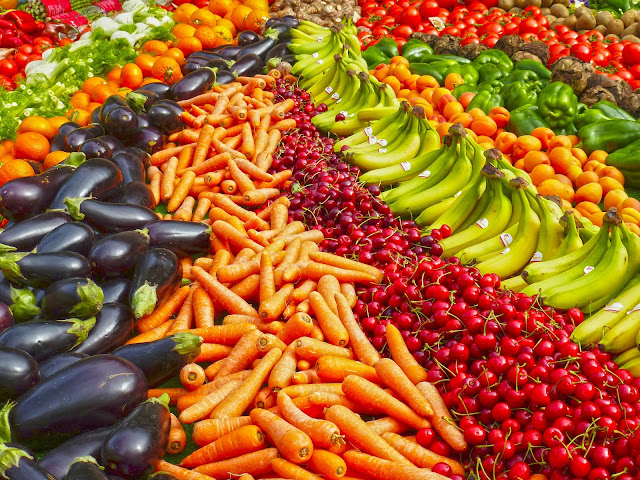
- Think in colors. Dark leafy greens, orange sweet potatoes, red peppers, purple eggplants, white onions—each color group contributes distinct phytonutrients.
- Fill half your plate with vegetables and fruits, in line with the U.S. Department of Agriculture’s MyPlate model.
3. Moderating Protein Intake
Protein is often painted as the “villain” in acid–alkaline discussions because animal protein increases urinary acid load. Yet research shows protein is indispensable for bone and muscle health, particularly as people age.
Dr. Robert Heaney, the late Creighton University endocrinologist, argued in Calcium and Human Health:
“The net effect of protein on bone is favorable. Protein stimulates IGF-1, a growth factor that builds bone, and enhances calcium absorption in the gut.”
Practical Tip:
- Aim for 1.0–1.2 grams of protein per kilogram of body weight per day (Mayo Clinic guidelines for older adults).
- Diversify sources: pair animal proteins (fish, poultry, eggs) with plant-based proteins (beans, lentils, tofu).
- Consider traditional cuisines: Japanese diets combine fish with soybeans, while Mediterranean diets use legumes alongside small portions of meat.
4. Rethinking Grains and Carbohydrates
Grains such as rice, wheat, and oats are often labeled “acidic,” yet they remain global staples. The key distinction lies in refinement. Whole grains deliver fiber, magnesium, and B vitamins that counterbalance acid load. Refined grains strip these away, leaving a more acidic metabolic profile and contributing to insulin resistance.
The Journal of the American College of Cardiology (2020) emphasized that diets high in whole grains lower risk of coronary heart disease, while refined grains increase risk.
Practical Tip:
- Swap white rice for brown or red rice; white bread for whole-grain bread.
- Experiment with less common grains: quinoa (mildly alkaline), buckwheat, or millet.
- Follow the “quarter plate rule”: keep whole grains to about one-quarter of your meal.
5. Limiting Processed and Ultra-Processed Foods
No matter where foods fall on the acid–alkaline spectrum, the strongest consensus in nutrition is to reduce processed and ultra-processed foods. These foods—sodas, packaged snacks, fast foods—contribute not only acidity but also added sugars, trans fats, and sodium.
A 2019 French cohort study published in BMJ found that every 10% increase in ultra-processed food intake was associated with a 14% higher risk of death.
Practical Tip:
- Adopt the “five-ingredient rule”: if a food has more than five unrecognizable ingredients, skip it.
- Replace soda with sparkling water infused with lemon or herbs.
- Cook more meals at home—studies from Public Health Nutrition show home cooking correlates with healthier eating patterns and lower BMI.
6. Hydration and Alkaline Water
Hydration plays a central role in acid-base balance, particularly through kidney function. While “alkaline water” has become trendy, the evidence is mixed.
A 2016 review in the Journal of the International Society of Sports Nutrition found that alkaline water slightly improved hydration markers after intense exercise but offered no meaningful advantage for everyday health.
Dr. Stanley Goldfarb, nephrologist at the University of Pennsylvania, told The Washington Post:
“For most people, plain water is perfectly fine. The kidneys do the heavy lifting.”
Practical Tip:
- Drink according to thirst and activity level, aiming for about 2 liters daily.
- Enjoy herbal teas (mint, chamomile) as gentle alkalizing options.
- For athletes, mineral-rich waters may help replenish electrolytes.
7. Building a Balanced Plate Framework
To translate theory into practice, public health agencies and universities have proposed models for meal composition. Two of the most widely cited are:
- Harvard’s Healthy Eating Plate: Half vegetables and fruits, one-quarter whole grains, one-quarter protein, plus healthy oils.
- Mediterranean Diet Pyramid: Daily intake of vegetables, fruits, whole grains, legumes, nuts; moderate fish and poultry; minimal red meat.
Both frameworks emphasize variety and moderation, not pH.
Sample Meal Plate (Balanced Acid–Alkaline Mix):
- Half plate: Spinach salad with tomatoes, cucumbers, and avocado (alkaline).
- Quarter plate: Grilled salmon (acidic, but nutrient-rich).
- Quarter plate: Quinoa with roasted sweet potato (balanced grain + vegetable).
- Side: Herbal tea or water.
8. Global Perspectives and Cultural Wisdom
Traditional diets often strike a natural acid–alkaline balance without explicitly using the terminology.
- Japanese cuisine balances rice (acidic) with seaweed, soy, and vegetables (alkaline).
- Mediterranean diets pair fish and cheese (acidic) with olive oil, legumes, and greens (alkaline).
- Indian Ayurveda classifies foods into sattvic, rajasic, and tamasic categories—different from pH but similarly emphasizing balance and moderation.
As culinary historian Bee Wilson noted in The New Yorker:
“Traditional food cultures achieved balance not by measuring pH, but by instinctively combining foods for nourishment, variety, and pleasure.”
9. Mindful Eating and Sustainability
A balanced plate is not just about nutrients; it’s also about sustainability and long-term adherence. The EAT-Lancet Commission (2019) stressed the need for diets that are both health-promoting and environmentally sustainable—leaning heavily on plant-based foods.
Practical Tip:
- Incorporate “meatless days.”
- Source locally grown produce when possible.
- Focus on quality rather than purity: balance, not rigidity, is the goal.
Balance Over Perfection
The practical application of the acid–alkaline debate is not to avoid entire categories of food, but to strive for a plate that is colorful, diverse, and minimally processed.
As Dr. Marion Nestle, author of Food Politics and Professor Emerita at NYU, puts it:
“Good diets are about balance, variety, and moderation—not fear of acidity or obsession with alkalinity.”
By emphasizing whole foods, moderating proteins, limiting processed items, and staying hydrated, anyone can build a balanced plate that supports bone health, cardiovascular resilience, and overall vitality.
Conclusion
The acid-alkaline diet debate reflects a broader truth: people crave simple explanations for complex biology. While it’s scientifically inaccurate to suggest we can “alkalize” our blood through food, it is accurate to say diets high in fruits, vegetables, and whole foods—and low in processed products—support long-term health.
Ultimately, the acid vs. alkaline framing may be less important than the bigger picture: quality nutrition, lifestyle balance, and evidence-based choices.
Or, as Michael Pollan distilled it in the spirit of Benjamin Franklin: “Eat food. Not too much. Mostly plants.”
 Global Wellness Digest
Leave a comment